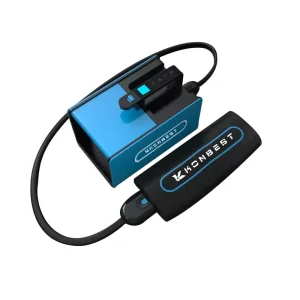
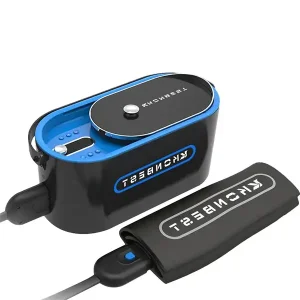
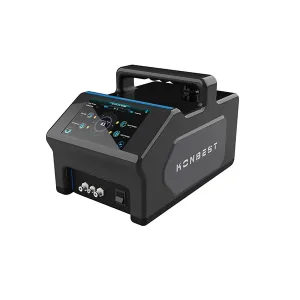
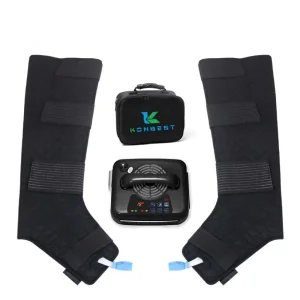
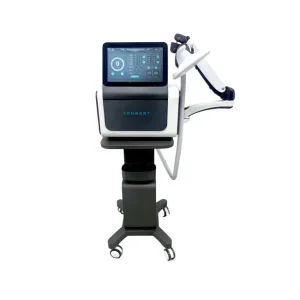
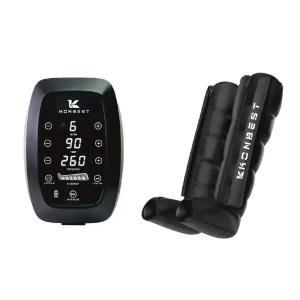
The Japanese market for medical-grade cold therapy systems is currently undergoing a radical transformation. Driven by one of the world's most rapidly aging populations and a highly sophisticated sports culture (from NPB baseball to B.League basketball), the demand for precise, non-invasive recovery technology has never been higher. Japanese healthcare providers in Tokyo, Osaka, and Nagoya are increasingly moving away from traditional ice-bag methods toward automated cryotherapy & compression units that offer controlled temperature management and consistent pressure profiles.
As a premier Cold Therapy System Supplier serving the Japan market, we understand that "local requirements" mean more than just a language translation. It involves meeting the rigorous expectations of the PMDA (Pharmaceuticals and Medical Devices Agency), adhering to JIS (Japanese Industrial Standards) for electrical safety, and providing the ultra-reliable performance that the Japanese B2B sector demands.
Japan’s "Super-Aged" society requires advanced post-operative recovery tools for orthopedic surgeries like Total Knee Arthroplasty (TKA). Cold therapy systems help reduce hospital stays by accelerating patient mobility through effective pain management.
Japanese professional athletes demand the highest recovery efficiency. Our semiconductor-cooled systems offer the "Ice-free" convenience required for away-game travel and locker room space optimization.
The integration of AI-monitored compression levels and semiconductor cooling technology aligns with Japan's "Society 5.0" vision, where medical devices become smarter and more user-centric.
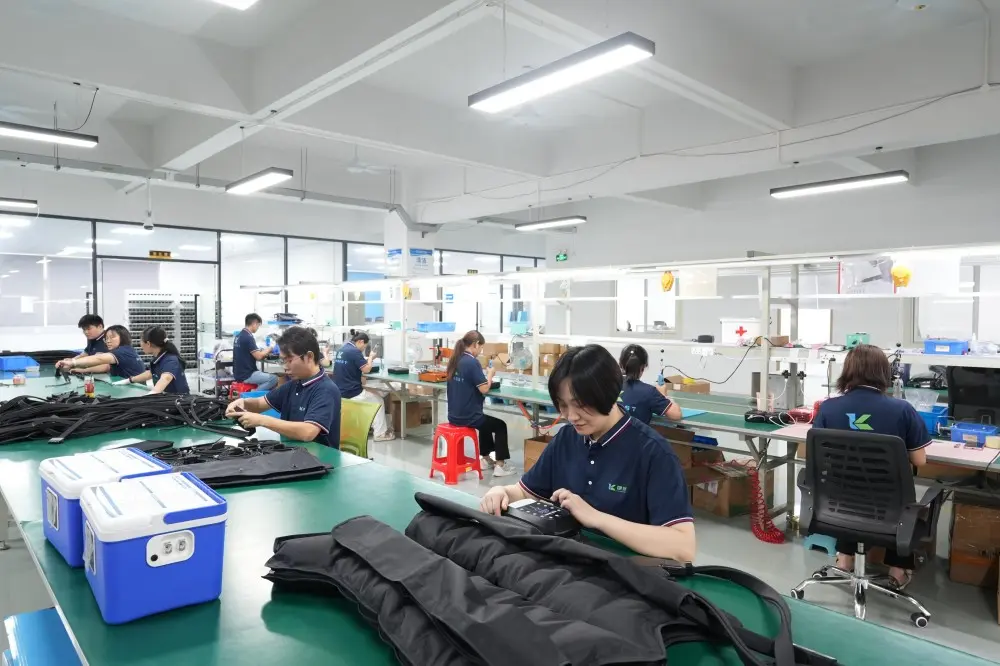
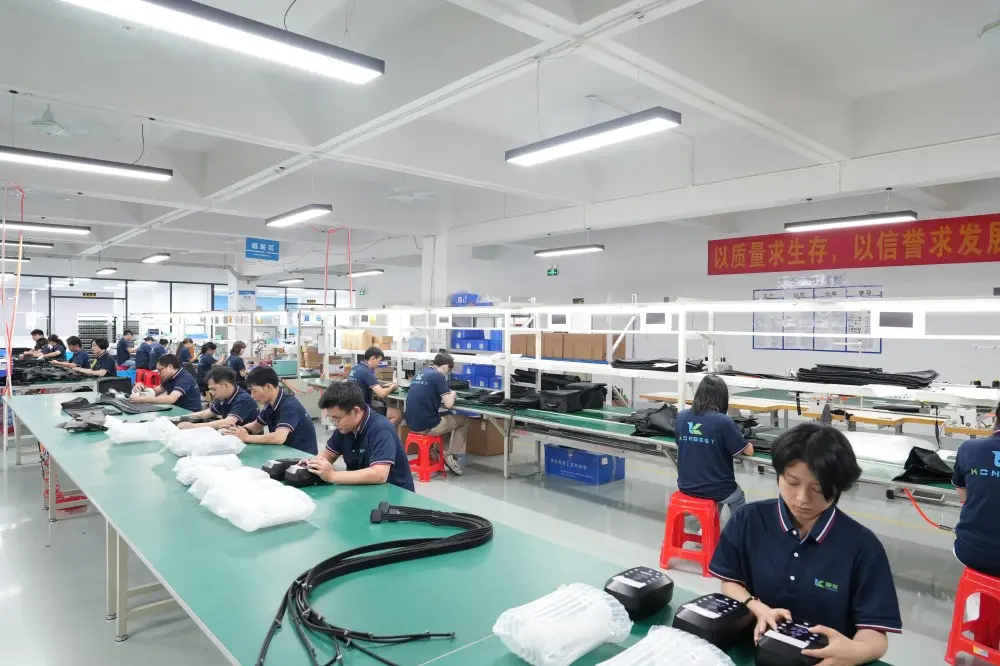
Tianjin Konbest Technology Co., Ltd., with our primary production base in Guangzhou, China, has been a cornerstone of the therapy massage and sports recovery industry since 2009. With over 12 years of specialized R&D experience, we bridge the gap between high-capacity Chinese manufacturing and the precision requirements of the Japanese market.
Our factory spans 12,000 square meters and houses 5 dedicated production lines. For Japanese clients, this means a reliable supply chain that can handle both high-volume OEM orders and flexible ODM customizations with short lead times, ensuring that medical wholesalers in Japan never face stock-outs during peak athletic seasons.
Discuss Japan-Specific OEMSqm Factory Space
Monthly Capacity
Years Experience
5-Star Reviews
We provide localized technical documentation and Japanese-language user manuals to ensure seamless integration into Japanese clinical workflows. Our team is trained in the nuances of Omotenashi-driven customer service.
Our products are certified under ISO9001, ISO13485 (Medical Device), CE, and FDA. We actively support our Japanese partners in gathering the necessary data for PMDA registration and local safety compliance.
We perform rigorous physical and chemical tests on all raw materials. Every unit destined for the Japan market undergoes a 24-hour continuous stress test to meet the highest reliability benchmarks.
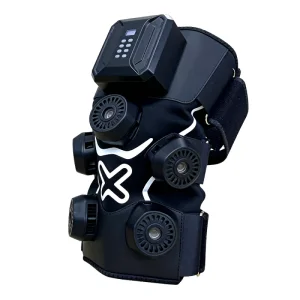
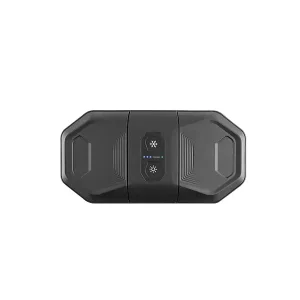
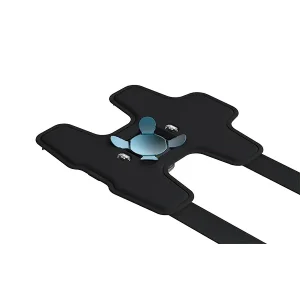
The future of cold therapy in Japan lies in Portability and Precision. We are seeing a shift from bulky machines to "Wearable Cryotherapy" and "Semiconductor Mini-units" that allow patients to continue treatment at home. This trend, known as "Home Recovery Transition," is vital in Japan where hospital beds are at a premium and early discharge is a priority.
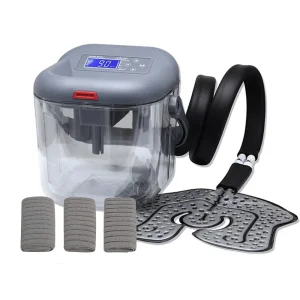
Furthermore, the integration of Contrast Therapy (alternating hot and cold) is gaining traction in Japanese "Sento" (bath house) cultures and modern wellness clinics. Our latest CL801Pro series, which offers both heating and cooling in a single device, is a direct response to this market demand.
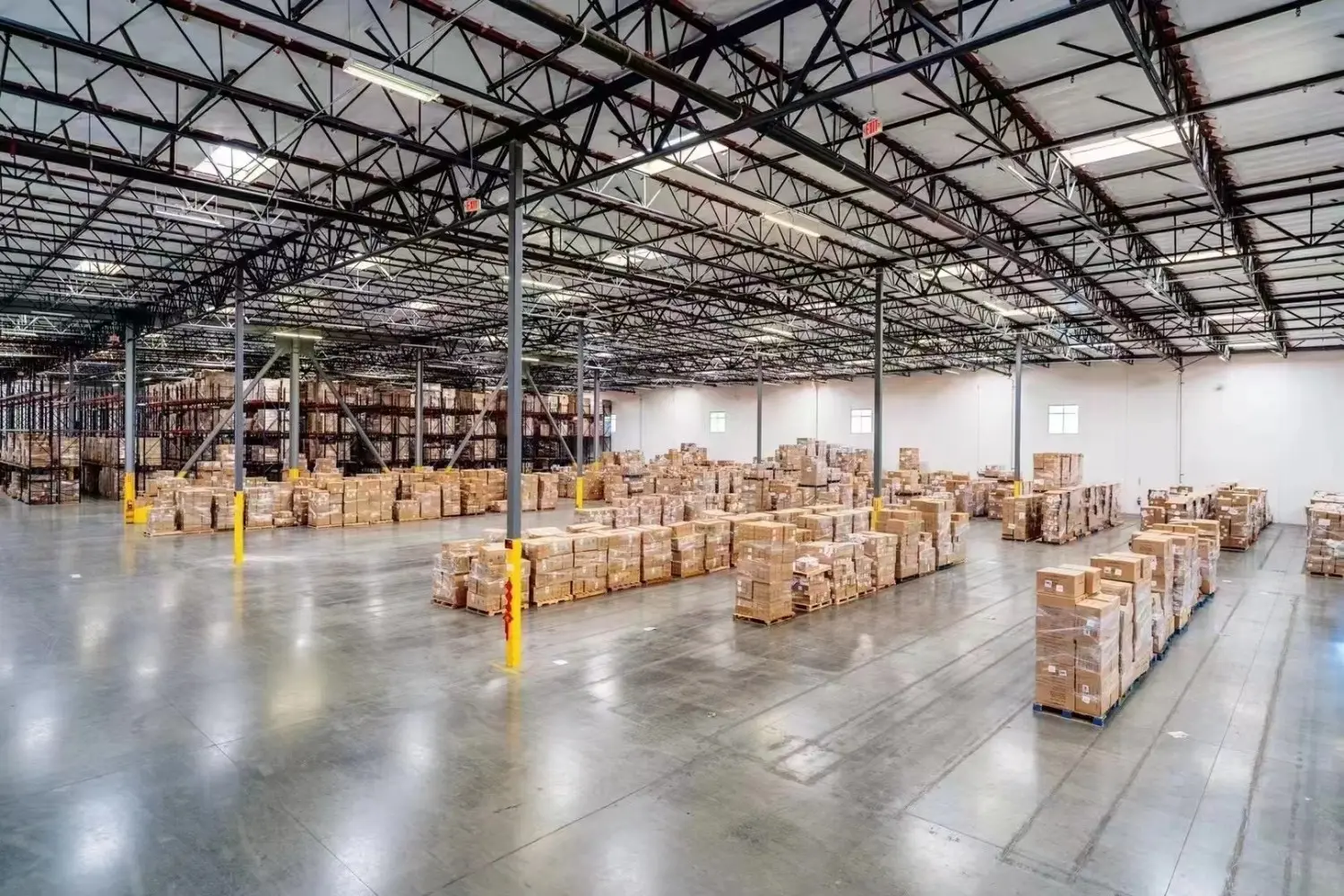

Post-surgical edema reduction for joint replacement patients in Tokyo central hospitals.
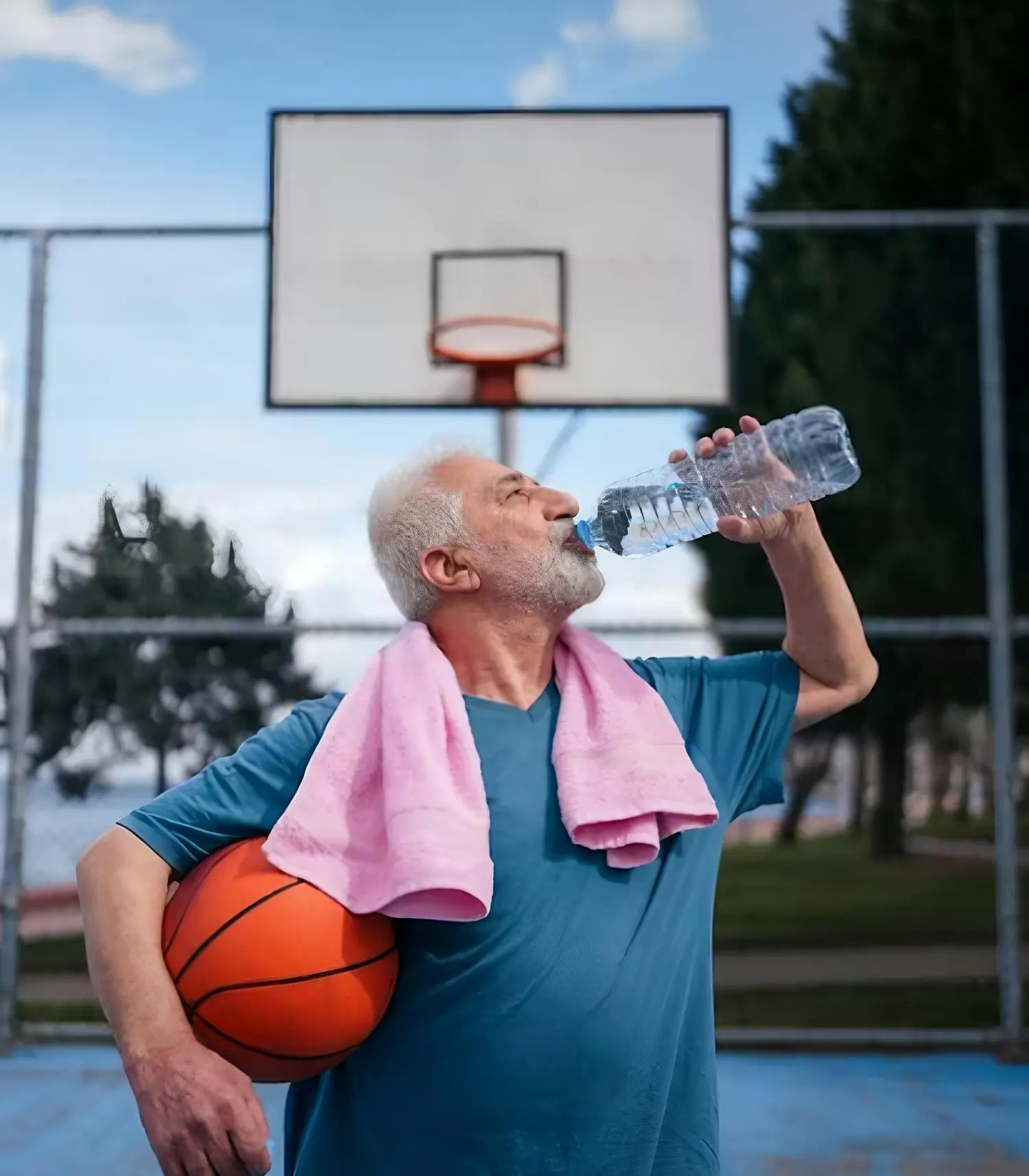
Intensive recovery for high school baseball teams (Koshien) and university rugby clubs.

Portable units for elderly patients receiving rehabilitation services at home in suburban Chiba or Saitama.
All our Cold Therapy Systems are compatible with Japan's 100V (50/60Hz) electrical grid. We provide PSE-certified power adapters upon request for the Japanese market.
Yes. We offer complete OEM services, including custom chassis colors, Japanese-branded control interfaces, and localized packaging designs with a low MOQ.
Semiconductor (Peltier) cooling is much quieter, lighter, and requires no refrigerant, making it ideal for the quiet and space-conscious environments of Japanese clinics.
From our Guangzhou base, shipping to the Port of Tokyo or Osaka typically takes 5-7 days via sea freight or 2-3 days via air express, ensuring rapid inventory replenishment.
Reliable supply from our ISO-certified factory to your Japanese facility.
Contact our senior account directors for a custom quotation and technical whitepaper.
Send Inquiry Now KONBEST