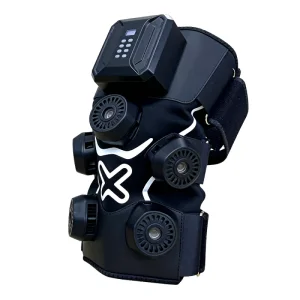
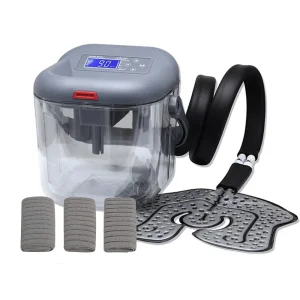
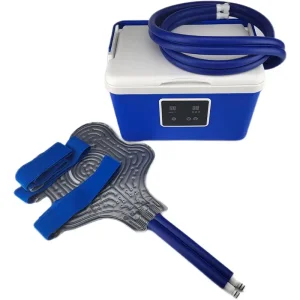
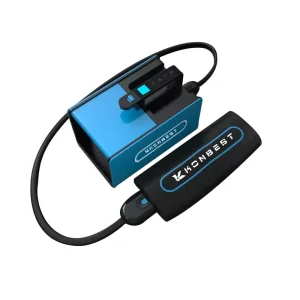
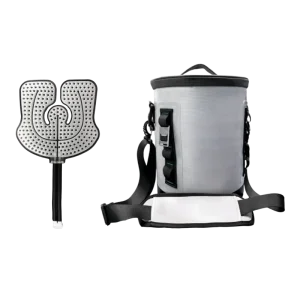
Cold Therapy System Manufacturers & Supplier in the Timor-Leste Market

Pioneering Clinical-Grade Thermoelectric Cryocompression Technology for Post-Operative Orthopedic Recovery and Advanced Sports Rehabilitation Networks in East Timor

Request Technical Whitepaper & Pricing

Whitepaper: Deploying Cold Compression Therapy in Developing Healthcare Systems

This technical whitepaper examines the deployment of medical-grade cold compression therapy systems within the unique demographic and clinical framework of Timor-Leste (East Timor). Orthopedic complications, trauma recovery requirements, and sports physiotherapy protocols in developing healthcare infrastructures present specific operational demands. Our research examines key variables: ambient clinical temperatures, device electrical reliability under fluctuating grid conditions, user compliance mechanisms, and supply chain logistics between major manufacturing hubs in China and distributors in Dili.

1. Healthcare and Infrastructure Outlook in Timor-Leste

Timor-Leste's healthcare infrastructure is undergoing modern development, led by the Ministry of Health (Ministério da Saúde) and international medical partnerships. Major institutions like the Hospital Nacional Guido Valadares (HNGV) in Dili, alongside regional referral hospitals in Baucau, Maliana, Maubisse, and Oecusse, manage a steady load of orthopedic surgeries, post-trauma operations, and chronic musculoskeletal treatments.

In hot, humid climates typical of Southeast Asia, traditional postoperative recovery protocols using basic ice packs present operational challenges. Melted water management, skin irritation from condensation, high moisture levels, and the risk of localized tissue freezing (frostbite) limit the effectiveness of static ice application. Furthermore, manually preparing clean ice in hospital environments requires consistent power for ice machines, which can be an operational constraint in remote municipalities.

Modern cold compression therapy addresses these challenges. By combining continuous, regulated cold circulation with intermittent pneumatic compression, these systems reduce deep muscle tissue temperature without risk of freezing damage. The compression element moves edema fluid away from the surgical site, facilitating lymphatic drainage, minimizing swelling, and reducing recovery times. This allows local clinics to optimize bed turnover rates and improve overall patient outcomes.

2. Localized Applications & Climate-Adaptive Engineering

Our engineering team has modified the design of our therapy systems to ensure reliable operation in tropical regions like Timor-Leste:

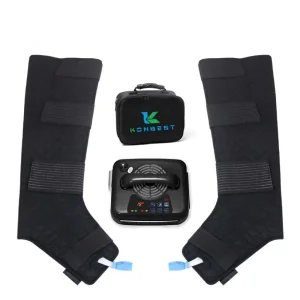
  • High-Ambient Condensation Control: High humidity levels often cause condensation to form on standard tubing and therapy wraps. Our medical-grade polyurethane (TPU) and high-density neoprene wraps are treated with antimicrobial, water-resistant layers to prevent bacterial growth and simplify sterilization protocols between patients.
  • Voltage Stabilization & Power Efficiency: Power grids outside Dili can experience voltage fluctuations. Our control units feature wide-input voltage tolerance (100V–240V) and robust surge protection. This helps protect internal circulation pumps and control chips from electrical damage in remote clinics.
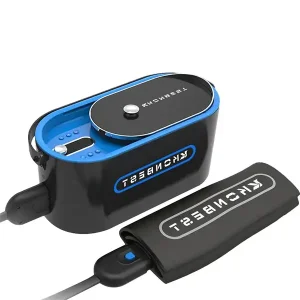
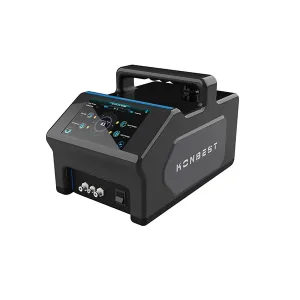
  • Semiconductor Thermoelectric Cooling (TEC): Recognizing that ice availability can vary in rural health posts, we developed active cooling systems (such as the CL801Pro). These devices use thermoelectric semiconductor modules to actively chill water to the targeted physiological range (typically 4°C to 12°C) without requiring ice. This ensures consistent therapy delivery, independent of local ice supply limits.

3. Physiological Mechanisms & Clinical Efficacy

Understanding the interaction between temperature and pressure is key to successful treatment. Standard protocols call for R.I.C.E. (Rest, Ice, Compression, Elevation), but manual application can be inconsistent. Our systems automate this process to ensure consistent treatment parameters:

  1. Vasoconstriction & Metabolic Downregulation: Reducing tissue temperature to 10°C–15°C slows local cellular metabolism. This protects tissues surrounding the primary injury site from secondary hypoxic damage.
  2. Intermittent Pneumatic Compression (IPC): Standard static wraps can trap heat and lack active drainage. Our micro-controlled air pumps deliver pressure cycles (ranging from 20 mmHg to 120 mmHg) that mimic natural muscle contractions. This promotes venous return and reduces deep tissue swelling.
  3. Pain Mitigation (Gate Control Theory): The constant, soothing cold acts as a mild local anesthetic, slowing nerve transmission speeds to reduce pain signaling. This helps hospitals minimize their reliance on prescription pain medications, aligning with modern post-op protocols.

4. China Supply Chain Resilience & Manufacturing Capacity

Tianjin Konbest Technology Co., Ltd., with our primary manufacturing base in Guangzhou, China, has produced sports recovery and medical massage therapy devices since 2009. Our production facility is equipped to handle custom design requests and maintain high volume outputs:

  • Production Capacity: Our 12,000 square meter factory produces up to 30,000 units monthly across 5 automated assembly lines. This capacity ensures prompt fulfillment of bulk orders for regional health networks in Timor-Leste.
  • Quality Control Protocols: Each batch undergoes strict testing, including 24-hour high-pressure air leak tests for our TPU cuffs, insulation tests on high-performance pumps, and thermal chamber evaluations at 45°C to simulate high-temperature environments.
  • Global Logistics Partnerships: We coordinate shipping through ports in Guangzhou and Shenzhen to Dili Port (Porto de Díli). Our logistics team manages export clearance, product classification under medical HS codes, and provides custom packaging options to protect products during maritime transport.

Konbest Manufacturing Statistics & Quality Indicators

Verified manufacturing parameters and regulatory certifications behind every shipment.

12,000m²
Guangzhou Factory Area
30,000+
Monthly Unit Capacity
15+ Years
R&D and Production Experience
50+ Countries
Global Medical Supply Reach

Our Facility is Certified Under: ISO 9001, ISO 13485 (Medical Devices Quality System), BSCI

Compliance standards met: CE, FDA, RoHS, REACH, FCC

11-Step OEM & ODM Integration Pipeline

Ensuring compliance, reliable performance, and customization from design concept to final delivery in Timor-Leste.

01

Requirement Collection

We review client specifications, target market needs, and technical goals for the local market.

02

Feasibility Study

Engineering review to confirm technical feasibility, cost estimates, and target schedules.

03

NDA Agreement

Signing standard non-disclosure agreements to protect proprietary designs and intellectual property.

04

Industrial Design

Designing physical structures, wrap configurations, and producing preliminary 3D models.

05

Firmware Development

Programming pressure sensors, temperature sensors, and pump control logic.

06

Prototype Build

Assembling functional prototypes for initial benchtop validation and testing.

07

Regulatory Certification

Testing prototypes for compliance with electrical safety and medical safety standards (CE, FDA).

08

Pilot Run

Small-batch assembly run to verify manufacturing setups and tooling precision.

09

Mass Production

Full-scale production under our ISO 13485 quality control protocols.

10

Packaging & Custom Branding

Custom packaging, multi-language manuals, labeling, and transit packing configurations.

11

Logistics Support

Coordinating sea freight and customs documentation directly to ports in Dili.
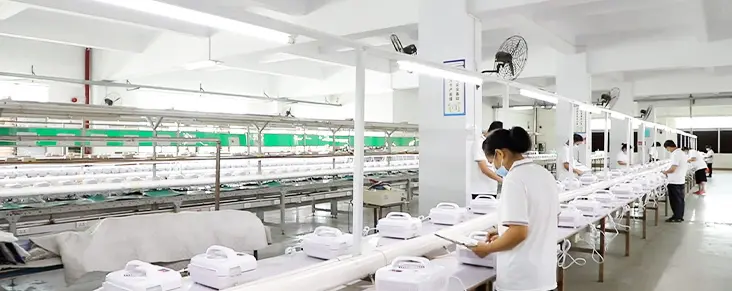
Konbest factory production line and quality control

Why Clinical Partners in Timor-Leste Choose Us

We provide medical-grade equipment designed to operate reliably under demanding conditions. By utilizing advanced manufacturing facilities and robust quality control systems in Guangzhou, we deliver high-performance rehabilitation equipment that supports healthcare modernization projects across Timor-Leste.

  • Robust R&D Capabilities: Managed by an engineering team with over 10 years of experience in custom medical and athletic recovery systems.
  • Strict Material Selection: TPU and neoprene components are tested for biocompatibility, chemical stability, and long-term durability in high-humidity settings.
  • Customization Options (OEM/ODM): Tailored voltage regulators, custom plug types (Type G/Type I), and localized branding options.
  • Comprehensive Documentation: We provide full clinical documentation, certificate packages, and operation manuals to facilitate local regulatory reviews in Dili.

Endorsed by Healthcare Professionals & Distributors

Read about experiences from international distributors, physiotherapists, and medical equipment buyers.

Outstanding Procurement Support

"The purchase of the Recovery system went smoothly. The team was responsive, helpful, and knowledgeable about the product details. The build quality meets our standards. Recommended."

— Purchasing Manager, Medical Logistics

Fast Delivery and Responsive Service

"Fast shipping and reliable customer service. The support team was highly responsive and clarified technical specifications promptly. Excellent support throughout."

— Rehabilitation Center Director

High Quality & Durable Cuffs

"The product build quality is consistent, and the fabric materials feel durable. The therapy parameters are accurate, and our clients have reported positive feedback. Excellent manufacturer."

— Clinical Physiotherapy Specialist

Frequently Asked Questions: Cold Therapy Systems

Technical guidance and answers for distributors, clinical procurement teams, and hospital administrators in Timor-Leste.

What is the minimum order quantity (MOQ) for shipping to Timor-Leste?
Our standard MOQ for clinical-grade units starts at 50 sets for customized OEM branding. For standard configurations, we offer flexible MOQ structures to support initial distributions in Dili, Baucau, and municipal health networks.
Do your cold compression devices require manual ice addition?
We offer two main configurations: 1) Active Ice-water circulation systems that use added ice for cooling, and 2) Advanced Thermoelectric Semiconductor systems (like the CL801Pro and CL802) that actively chill water without requiring ice. The semiconductor option is suitable for clinics in remote areas of East Timor where ice supply can be inconsistent.
How do you handle voltage compatibility with the local power grid?
Our systems support a wide input voltage range (100V to 240V AC, 50/60 Hz), which helps protect the equipment from damage due to power fluctuations in local grids. We also supply power cords matching local socket types (typically Type C, E, F, or I).
What quality certifications do Konbest products hold?
Our manufacturing facility in Guangzhou is certified under ISO 9001 and ISO 13485 (Medical Devices Quality Management System). Our products hold certifications including CE, FDA, RoHS, and FCC.
What is the delivery timeline for orders to Dili Port, Timor-Leste?
Production lead times range from 15 to 25 days depending on the order volume and customization requirements. Sea shipping from Guangzhou or Shenzhen ports to Dili Port typically takes 20 to 30 days, including customs clearance processes.

Partner with a Certified Medical Recovery Manufacturer

Get in touch with our technical team to discuss bulk orders, customization options, and distribution agreements for Timor-Leste.

Send Inquiry Now