As a global leader in cryotherapeutic technology, Konbest explores the physiological mechanisms of post-cryotherapy pain and how advanced ODM engineering provides industrial-grade solutions for sports recovery and clinical rehabilitation.
The global cryotherapy market is projected to reach $8.2 billion by 2030, with a shift from nitrogen-based systems to safer, electric-driven compression therapy.
Smart recovery: Integration of AI-driven temperature sensors and closed-loop feedback systems to prevent nerve irritation and skin frostbite.
Transitioning from "Fixed Temperature" to "Dynamic Adaptive Cooling" using PWM control and medical-grade thermal conductors.
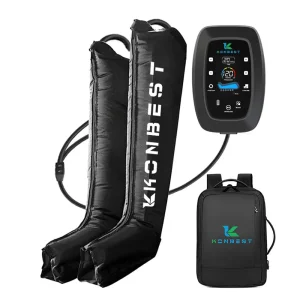
Comprehensive recovery protocols combining intermittent pneumatic compression (IPC) with therapeutic hypothermia.
Extreme pain after cryotherapy—often described as a burning, stinging, or throbbing sensation—is frequently the result of Cold-Induced Nerve Irritation or Skin Barrier Hypersensitivity. While mild discomfort is a standard physiological response to vasoconstriction, extreme pain signals a need for better device regulation.
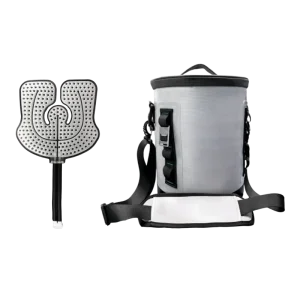
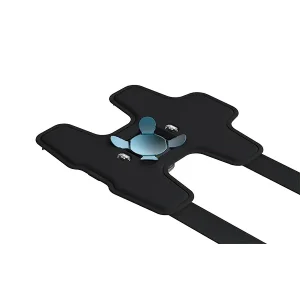
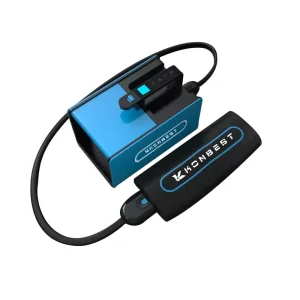
Standard over-the-counter ice packs offer no temperature regulation, leading to "cold spikes" that damage tissue. Our ODM solutions, such as the CL01A and CL03B Cryotherapy Systems, utilize high-precision thermistors that maintain a steady 4°C to 10°C therapeutic window. This range effectively shuts down pain receptors (Nociceptors) without triggering the inflammatory "rebound pain" often associated with primitive icing methods.
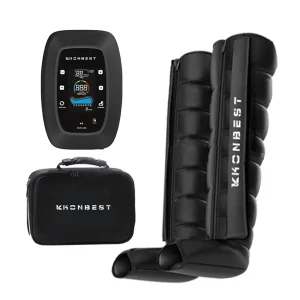
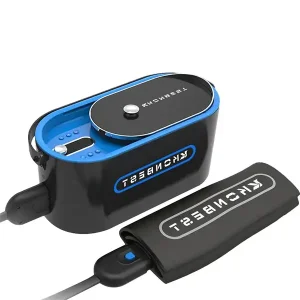
Static cold only reaches superficial layers. Active Cold Compression (as seen in our KB-9890K-C series) drives the thermal exchange deeper into the muscle belly. This not only speeds up recovery but also modulates the central nervous system's response to pain, providing a more "comfortable" treatment experience even at lower temperatures.
Founded in 2009 with a production base in Guangzhou, China, we are a premier manufacturer specializing in R&D, production, and sales of therapy massage and sports recovery products. With over 12 years of experience, our 12,000 square meter factory delivers 300,000 units annually.
Square Meters Factory
Monthly Capacity
Years Experience

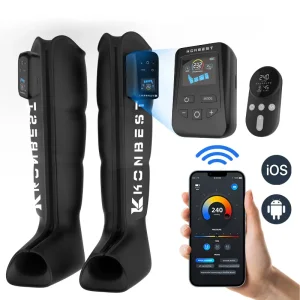
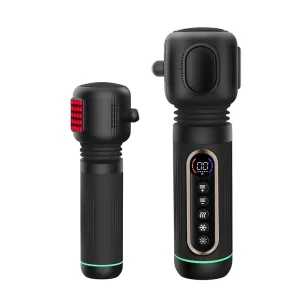
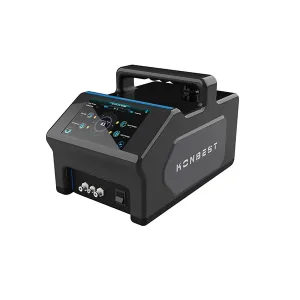
Integration of digital LCD touch screens (e.g., KB-9690K-C) and 6-mode compression logic to allow user-defined recovery paths.
Development of sensors that detect skin temperature and adjust cooling flow in real-time to prevent "Extreme Pain After Cryotherapy" before it starts.
Remote monitoring of recovery progress for professional athletes and post-surgery patients through mobile app ecosystems.

Post-surgical pain management in hospitals using medical-grade cold compression systems like the CL802.

Elite athlete recovery utilizing intermittent pneumatic compression boots to flush metabolic waste and reduce inflammation.

User-friendly, portable massagers and cold therapy devices for chronic pain management in the comfort of home.
From concept to global delivery, we ensure every product meets international safety standards (FDA, CE, ISO13485).
Understanding market goals and technical requirements.
Hardware, firmware, and industrial structural development.
Rapid prototyping and iteration for verification.
Strict quality control under ISO 9001 systems.
Global shipping and after-sales maintenance support.
Extreme pain is usually caused by excessive cold exposure leading to a "cold burn" or neuropathic response. Utilizing a controlled-temperature machine like the CL01A ensures the temperature never drops below safe thresholds, preventing nerve damage.
Standard therapeutic sessions should last between 15-20 minutes. Our machines feature automatic timers and cycle modes to prevent over-exposure.
Mild redness (Hyperemia) is normal and indicates increased blood flow. However, if the skin is white, waxy, or extremely painful, the temperature was too low or the treatment too long.
Yes. Intermittent compression helps move the "cold" through the tissue more evenly, preventing localized cold spots that trigger pain receptors.
 KONBEST