Choosing a Cryotherapy Home Machine calls for more than comparing prices or sleek control panels. The global cryotherapy market was valued at about $3.1 billion in 2021, with Allied Market Research forecasting growth through 2031. That figure covers multiple cryotherapy applications, not home machines alone. It signals expanding interest, but it does not prove that every device is effective or suitable for home use.
Details matter. Check the machine’s intended use, temperature controls, safety features, maintenance needs, and the company’s service support. Picture a real session: Who can help if a control fails? Is the operating guidance clear? Can the unit fit your room and power supply? Those questions are less exciting than a low advertised temperature. They matter more.
One limitation deserves honesty: I can’t verify a published quotation from a named Cryotherapy Home Machine industry expert, so I won’t invent one. Independent evidence for home-use devices can also be limited, and market forecasts are not proof of health benefits. Treat bold claims cautiously. This guide offers seven practical tips for evaluating equipment, checking documentation, and spotting gaps before you buy. A careful choice starts with evidence, not hype.
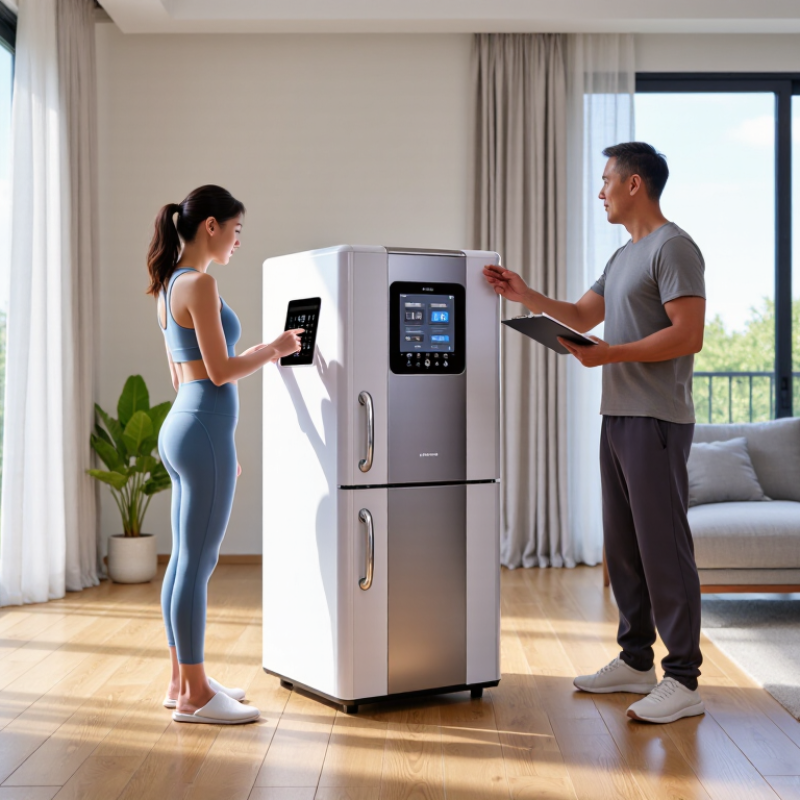
Choosing a cryotherapy home machine begins with identifying the treatment area. A localized device directs cold air or a cooling applicator toward one region, such as a knee, shoulder, or ankle. It may suit users managing occasional muscle soreness after exercise. Look for adjustable temperature, a clear timer, skin-contact protection, and an emergency shutoff. The applicator should feel controlled, not painfully numb.
Whole-body chambers create a very different experience. They expose most of the body to extremely cold air for a short period, while the head usually remains outside the chamber. These systems require more space, ventilation, maintenance, and careful operating procedures. A home model should include temperature monitoring, stable entry steps, an accessible release mechanism, and written instructions based on safety testing. Professional supervision is strongly preferable, especially during initial sessions.
A colder setting is not automatically better. People with circulation problems, reduced cold sensation, heart conditions, or other medical concerns should ask a qualified clinician before use. Never treat damaged skin or use a machine alone when symptoms are unpredictable. In practical testing, comfort and consistent timing matter more than impressive temperature numbers. I would also question vague claims about detoxification or guaranteed recovery. Some machines appear simple but hide complicated cleaning and calibration needs. Check service support, replacement parts, electrical certification, and maintenance records before purchasing. The cheaper choice may become the less reliable one.
| Selection Dimension | Localized Cryotherapy Device | Whole-Body Cryotherapy Chamber |
|---|---|---|
| 1. Treatment Area | Designed to cool a specific area, such as a knee, shoulder, ankle, elbow, or small muscle group. | Designed to expose most of the body to cold air, usually with the head remaining outside in a partial-body chamber or inside a full-body chamber. |
| 2. Common Device Formats | Cold-air applicators, contact cooling pads, circulating cold-water systems, or targeted compression-and-cooling units. | Insulated cabins or chambers that use electrically cooled air or refrigerated gas systems. Some systems use cryogenic nitrogen and require specialized installation. |
| 3. Typical Temperature Range | Often adjustable from approximately 0°C to 15°C for contact or circulating systems. Cold-air applicators may deliver much colder air at the outlet; the skin temperature depends on distance, airflow, and treatment time. | Many commercial whole-body systems advertise chamber air temperatures from about −60°C to −110°C. The displayed air temperature is not the same as the temperature of the skin or internal body. |
| 4. Typical Session Duration | Commonly about 10–30 minutes, depending on the technology, body area, temperature, and manufacturer instructions. | Usually a short exposure of approximately 2–4 minutes. Longer exposure is not automatically safer or more effective. |
| 5. Energy and Installation Needs | Generally requires less space and power. Many home-oriented models use a standard electrical outlet, although electrical requirements vary by device. | Requires substantially more floor space, ventilation planning, electrical capacity, and clearance. Nitrogen-based systems also require professional gas handling and oxygen-monitoring measures. |
| 6. Best-Fit Use Case | More practical when the goal is targeted cooling after exercise or for a particular localized area, while allowing the rest of the body to remain comfortable. | More suitable when the user specifically wants a brief, whole-body cold-air experience and has sufficient space, ventilation, budget, and safety controls. |
| 7. Safety and Monitoring | Check skin frequently and avoid excessive cold exposure. Follow the supplied instructions, use a protective barrier when recommended, and stop if there is severe pain, numbness, unusual skin color, or blistering. | Requires strict session limits, dry skin, appropriate protective clothing, and supervision or an emergency-release system. Nitrogen systems can create oxygen-displacement risks in poorly ventilated rooms. |
| 8. Operating Cost | Usually lower because the cooled area and hardware are smaller. Ongoing costs may include electricity, filters, cooling fluid, pads, or maintenance parts. | Usually higher because of greater energy use, ventilation requirements, maintenance, and possible consumables such as cryogenic gas. |
| 9. Space Requirements | Can often fit in a treatment room, home gym, or storage area, depending on the cooling unit and accessories. | Needs a dedicated area with adequate ceiling height, user access, ventilation, and sufficient room around the chamber for safe operation and maintenance. |
| 10. Key Buying Question | Does the device provide controllable cooling for the exact body area, with reliable temperature monitoring and easy cleaning? | Does the chamber have verified temperature controls, ventilation safeguards, emergency access, clear operating limits, and professional installation support? |
Whole-body chambers commonly report air temperatures between −110°C and −140°C. This is not a universal home-equipment standard. A small unit may cool only one body area. Ask where the temperature was measured. Check the sensor position, calibration date, cooling cycle, and exposure time. Colder is not automatically better.
An outlet reading may differ greatly from the air near your body. Skin temperature can differ from the displayed number. Ask whether testing occurred at the outlet, inside the chamber, or beside the user. A short minimum reading may sound impressive but lack practical meaning. I would still question unclear test conditions.
Look for readable instructions, adequate ventilation, temperature sensors, user monitoring, and an emergency shutoff. The system should explain how it limits excessive exposure. Keep a timer nearby. Stop if numbness, pain, confusion, dizziness, or unusual breathing develops. Safety first.
Do not assume a home machine can treat illness, speed healing, reduce fat, or cure serious conditions. Safety testing does not prove therapeutic effectiveness. Separate comfort claims from clinical evidence. Medical concerns require advice from a qualified healthcare professional.
People with heart conditions, circulation problems, reduced sensation, cold sensitivity, or certain breathing disorders may face greater risks. Ask a qualified healthcare professional before exposure. Never rely only on a sales representative. Personal risk can be difficult to judge.
Confirm room size, airflow, ventilation, electrical load, grounding, breaker capacity, and clearance around the unit. A qualified electrician should inspect the circuit. Avoid hiding an extension cord behind furniture. Ask for written emergency procedures and operating limits. Ask for proof.
Read coverage for compressors, sensors, seals, control boards, labour, transport, and replacement parts. Ask whether trained technicians are available nearby. Confirm response times during faults. Record installation photographs and serial information. A low purchase price may become expensive after one sensor fails.
Ask how temperature was measured and which cooling method is used. Request independent technical documents and maintenance records. Ask about cleaning, software updates, ventilation, and emergency shutdowns. Test the support team with specific questions. Vague replies are warning signs. No checklist is perfect.
Choosing a Cryotherapy Home Machine requires more than comparing advertised temperatures. First, determine whether you need a localized device for targeted areas or a whole-body chamber designed for full-body exposure. Whole-body systems commonly claim temperatures between −110°C and −140°C, so verify that these figures are realistic, clearly explained, and supported by reliable technical information. Avoid assuming that lower temperatures automatically provide better results.
Safety should be the main priority. Review how the machine controls session duration, monitors temperature, and provides emergency shutoff functions. Keep in mind that the FDA has not cleared whole-body cryotherapy chambers for medical treatment, so health-related claims should be approached cautiously and discussed with a qualified professional. Before purchasing, assess practical requirements such as ventilation, electrical capacity, installation space, maintenance, warranty coverage, and access to servicing. A dependable support process and clear operating instructions are essential for safer, more informed use at home.

 KONBEST