How to Use Leg Recovery Boots Effectively?

Time:2026-10-12 Author:Sienna
0%

Leg Recovery Boots have become a familiar sight beside training bags, clinic tables, and home sofas. These pneumatic compression devices use graduated pressure to support circulation and reduce the heavy, tight feeling that can follow intense exercise. They are not magic recovery machines. Their value depends on correct pressure, timing, fit, and realistic expectations.

Dr. Kelly Starrett, physical therapist and co-founder of The Ready State, has said, “You can’t perform at your best if you don’t recover.” That principle explains why athletes use Leg Recovery Boots after long runs, strength sessions, and travel. A practical session usually begins with clean, dry skin and a comfortable seated position. The sleeves should fit firmly without causing pain, numbness, tingling, or unusual skin color.

Small details matter. Start gently. Follow the manufacturer’s instructions. Ten to twenty minutes may be enough for a first session. Some users prefer longer sessions, but more pressure is not automatically better. That assumption deserves questioning. Recovery boots may help some people feel refreshed, yet they cannot replace sleep, hydration, balanced meals, or professional treatment.

This guide explains how to use Leg Recovery Boots effectively, including preparation, pressure selection, timing, cleaning, and common mistakes. It also highlights situations requiring medical advice, such as unexplained swelling, circulation disorders, recent surgery, or suspected blood clots. Listen to your body. Stop when something feels wrong. Familiar equipment can still be misused.
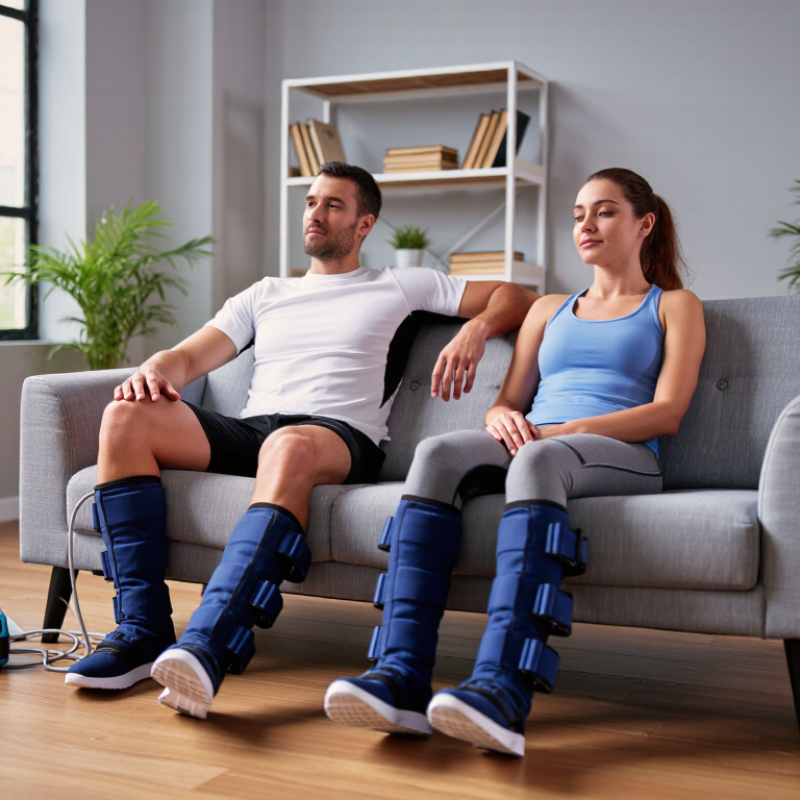
How to Use Leg Recovery Boots Effectively?

Understanding How Leg Recovery Boots Work

How to Use Leg Recovery Boots Effectively?

Leg recovery boots use controlled air pressure to squeeze different sections of the legs. The chambers usually inflate from the feet upward. Pressure moves upward. This sequence may support venous blood flow and fluid movement toward the torso. It can reduce the temporary feeling of heaviness after training or prolonged standing. However, the boots do not directly repair damaged muscle fibers or replace sleep, food, and gradual training.

Effective use begins with a comfortable fit. The fabric should feel secure, not painfully tight. Start with a low or moderate setting for 15 to 20 minutes. Notice your toes, skin color, temperature, and any unusual numbness. The feeling can mislead. Strong pressure is not automatically better. A session after cycling may feel soothing, while using the boots over irritated skin may worsen discomfort. Clean, dry skin also helps prevent friction.

Timing matters less than consistency and personal response. Some people use the boots after exercise, while others prefer a quiet evening session. Keep your legs relaxed and avoid sleeping in them unless a qualified clinician advises it. People with circulation disorders, unexplained swelling, recent surgery, nerve problems, or suspected blood clots should seek medical guidance before use. I would also question dramatic promises of instant recovery. Track soreness, mobility, and next-day fatigue for several sessions, then adjust the pressure or duration carefully.

Leg recovery boots use sequential pneumatic compression: the air chambers inflate and release in order, usually beginning at the foot and moving upward toward the thigh. This creates a graduated pressure pattern that supports venous return and helps reduce temporary leg swelling after exercise. The chart uses normalized pressure values, where 100% represents the device-set maximum pressure.

Choosing the Right Compression Settings and Fit

How to Use Leg Recovery Boots Effectively?

Choosing the right compression setting starts with comfort, not maximum pressure. Pneumatic recovery boots often use millimeters of mercury (mmHg), but their scales are not standardized across manufacturers. A 2023 systematic review in Sports Medicine reported that compression may reduce perceived muscle soreness, although performance benefits remain inconsistent. That uncertainty matters. Use the lowest setting that creates firm, even pressure without pain, numbness, or cold toes.

Fit changes the treatment. Measure both legs, then choose a sleeve that follows the ankle, calf, knee, and thigh without folding. The top edge should sit below the groin, not press into it. Check the zipper or seal while standing, then lie down before starting. Pressure should feel like a steady squeeze, not a sharp band around one spot. It should not.

For a first session, try 15–20 minutes at a mild setting. Increase duration gradually, but avoid chasing the strongest sensation. The International Compression Club’s clinical guidance stresses individualized pressure and careful screening, especially for vascular conditions. People with suspected circulation problems, unexplained swelling, skin injuries, or recent surgery should seek medical advice first. Stop immediately if dizziness, tingling, discoloration, or unusual pain appears. In practice, I would record pressure, duration, and how my legs feel the next morning. The result may be subtle. That is still useful data.

Preparing Your Legs and Boots Before Use

How to Use Leg Recovery Boots Effectively?

Preparing Your Legs and Boots Before Use

Preparation determines whether compression feels supportive or uncomfortable. Begin with clean, dry legs and remove watches, ankle chains, or anything sharp. Check your skin for cuts, rashes, bruising, or unusual swelling. Do not place the boots over open wounds. If you have circulation problems, recent surgery, suspected blood clots, or unexplained leg pain, ask a qualified healthcare professional before using them.

Inspect the boots carefully. Look for damaged seams, blocked air channels, loose tubing, or a faulty control unit. Position the boots evenly, with no folds pressing into your knees or ankles. They should feel secure, not painfully tight. I once fastened a boot too firmly and assumed stronger pressure meant better recovery. It only caused numbness. That mistake changed how I check the fit.

Start with the lowest comfortable pressure and remain seated during the first session. Keep your legs relaxed rather than flexing against the chambers. Notice changes in skin color, temperature, sensation, and pain. Stop immediately if you feel sharp discomfort, tingling, dizziness, or persistent numbness. A short session is enough for testing. Record how your legs feel afterward, because memory can be unreliable after hard training. Clean the inner surfaces according to the care instructions, then let them dry completely before storage.

Following a Safe Step-by-Step Recovery Routine

How to Use Leg Recovery Boots Effectively?

Following a Safe Step-by-Step Recovery Routine

Begin with a brief check of your legs. Look for unusual swelling, broken skin, numbness, redness, or sharp pain. If you notice these signs, skip the boots and seek medical advice. Sit comfortably, keep your back supported, and drink some water. Place each sleeve evenly around your legs, without folding or twisting the fabric. It should feel secure, never painfully tight. Start with the lowest pressure setting for five minutes. Then, increase it only if the sensation remains comfortable.

Tips: Use the boots after training, not as a replacement for sleep, food, or proper medical care. Keep the first session between 15 and 20 minutes. Breathe normally. Stop immediately if your feet become cold, pale, numb, or unusually painful. A timer helps, especially when you feel tired.

After the session, remove the sleeves slowly and stand up carefully. Walk for two or three minutes, noticing how your legs feel. Record the pressure, duration, and your response in a simple recovery note. This makes the routine more reliable over time. I used to assume stronger pressure meant better recovery, but that was not always true. Comfort and consistency mattered more. People with circulation problems, blood clots, uncontrolled high blood pressure, recent surgery, or pregnancy should ask a qualified healthcare professional before use. Recovery should feel supportive, not forced.

Cleaning, Storage, and Maintenance for Long-Term Use

How to Use Leg Recovery Boots Effectively?

Cleaning, Storage, and Maintenance for Long-Term Use

After each session, unplug the boots and wipe sweat from the inner lining. Use a soft cloth dampened with mild soap and water. Do not soak the air chambers, hoses, or control unit. Moisture trapped inside can create odors and damage electrical parts. Let every piece dry fully before packing it away. I usually leave the boots open for several hours. Rushing this step once caused a musty smell.

Inspect the seams, zippers, tubing, and connectors every few uses. Look for cracks, loose stitching, or uneven inflation. A slow leak may feel like weak pressure, but it can indicate a damaged chamber. Stop using the equipment if it becomes unusually hot, noisy, or painful. Follow the manufacturer’s cleaning instructions, because fabrics and valves differ. If discomfort continues, seek advice from a qualified healthcare professional. The boots should feel supportive, not restrictive.

Store the set in a cool, dry cabinet away from direct sunlight. Keep sharp objects and heavy equipment off the folded sleeves. Fold them loosely along natural seams instead of forcing tight creases. Store hoses without kinks, and protect the controller from dust. Avoid garages, bathrooms, and hot car interiors. Check the equipment before every use, even after several weeks. I sometimes skip that check when busy. That is a mistake worth correcting. Replace worn parts through an authorized service channel instead of improvising repairs.

FAQS

How should I choose the initial compression setting?

Start with the lowest setting that creates firm, even pressure. Stronger is not always better. Avoid pain, numbness, or cold toes.

How long should a first recovery session last?

Try 15–20 minutes at a mild setting. Increase the duration slowly after comfortable sessions. Do not chase the strongest sensation.

How should recovery boots fit my legs?

Measure both legs before choosing a sleeve. The sleeve should follow your ankle, calf, knee, and thigh without folding.

Where should the upper edge sit?

Keep the upper edge below the groin. It should not press into that area. Check the seal while standing, then lie down.

What should normal pressure feel like?

Pressure should feel like a steady squeeze. It should not feel like a sharp band around one spot. The boots should feel supportive, not restrictive.

When should I stop using the boots?

Stop immediately if dizziness, tingling, discoloration, unusual pain, or cold toes appear. Do not ignore changing symptoms.

Who should seek medical advice before using them?

People with suspected circulation problems, unexplained swelling, skin injuries, or recent surgery should seek advice first.

How should I clean the equipment after use?

Unplug the boots and wipe the inner lining with a soft cloth, mild soap, and water. Do not soak air chambers, hoses, or controls.

How should I store the boots safely?

Dry every part fully before storage. Fold the sleeves loosely along natural seams. Keep hoses straight and avoid sunlight, bathrooms, and hot cars.

What should I inspect before each session?

Check seams, zippers, tubing, connectors, and inflation. Look for cracks, loose stitching, or weak pressure. I sometimes skip this check. That is a mistake.

Conclusion

Leg Recovery Boots use sequential air compression to gently support circulation, reduce feelings of heaviness, and promote relaxation after exercise or prolonged standing. To use them effectively, choose a comfortable fit that covers the legs correctly without restricting movement or causing numbness. Begin with a low or moderate compression setting, then adjust gradually according to your comfort and experience. Before each session, inspect the boots, remove sharp objects from clothing, and sit or lie in a relaxed position with your legs supported.

A safe recovery routine should follow the recommended session time, include steady breathing, and stop immediately if you feel pain, tingling, unusual swelling, or significant discomfort. After use, wipe the boots with a soft, slightly damp cloth and allow them to dry completely before storage. Keep them in a cool, dry place away from direct sunlight, and regularly check the air chambers, fasteners, and tubing for signs of wear. Consistent care helps maintain performance and extends the useful life of your Leg Recovery Boots.


Sienna

Sienna

Sienna is a skilled marketing professional with a deep expertise in our company’s core products and services. With a passion for innovation and detail, she plays a pivotal role in crafting insightful blog posts that not only highlight the unique features of our offerings but also provide valuable......