Choosing Compression Boots For Legs requires more than comparing pressure levels, colors, or app features. These devices use intermittent pneumatic compression to inflate air chambers around the legs. They may support temporary fluid movement and recovery after demanding activity. However, marketing claims can sound stronger than the available evidence. The World Health Organization’s Global Status Report on Physical Activity 2022 estimated that 31% of adults worldwide were insufficiently active in 2022. This finding highlights a practical point: compression boots cannot replace regular movement, strength training, sleep, or medical care.
Reliable selection begins with the user’s actual needs. A recreational runner may value adjustable cycles, quiet operation, and a comfortable fit after a long training session. Someone with swelling needs professional assessment before using any device. The U.S. Food and Drug Administration classifies many intermittent pneumatic compression systems as medical devices, but clearance does not guarantee results for every user. Check pressure ranges, chamber coverage, sizing accuracy, warranty support, and published safety instructions. Avoid choosing the strongest setting automatically. More pressure is not always better.
The American College of Sports Medicine emphasizes individualized exercise planning and informed health decisions. That principle also applies here. People with suspected blood clots, severe peripheral arterial disease, uncontrolled heart failure, open wounds, or unexplained swelling should seek medical advice first. Evidence remains uneven. A 2024 review of recovery technologies reported potential short-term benefits, yet outcomes varied across studies and users. That uncertainty matters. The best boots are not necessarily the most expensive; they are the safest match for your body, routine, and clinical situation.
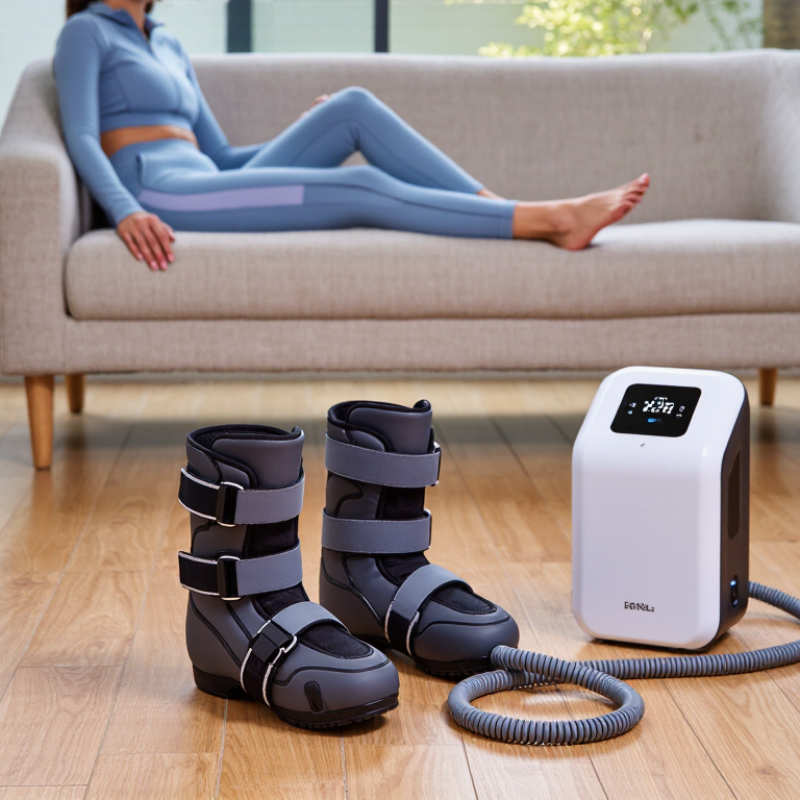
Compression boots are wearable sleeves that surround the legs and fill with air. Their chambers inflate and release in sequence, creating gentle pressure from the feet upward. This pattern resembles the body’s natural circulation support during movement. It may help reduce temporary swelling and promote a lighter feeling after demanding activity.
In practice, athletes often use them after running, cycling, strength training, or long periods of standing. The pressure can feel like a controlled squeeze around tired calves and thighs. Some people notice less heaviness within minutes, while others feel little change. That difference matters. Recovery depends on sleep, hydration, training load, and underlying health, not boots alone. It is easy to assume stronger pressure means better results, but discomfort is not a useful target. A qualified healthcare professional should guide use if you have circulation problems, unexplained leg pain, skin injuries, or recent surgery.
Tips: Choose adjustable pressure and a comfortable fit. Start with the lowest setting. Keep sessions short until your body responds. Stop if you feel numbness, sharp pain, unusual coldness, or skin discoloration. Check the sleeves while seated; twisted fabric can create uneven pressure. Clean, dry equipment also matters, especially after sweaty workouts. Some instructions may seem overly cautious, yet skipping them can turn a recovery tool into an avoidable irritation.
How to Choose Compression Boots for Legs?
Key Features to Compare Before Choosing Compression Boots
Choosing compression boots starts with pressure control, not appearance. Look for adjustable intensity and clearly explained pressure ranges. Stronger pressure is not automatically better. A comfortable, gradual squeeze usually supports a more consistent routine. Sequential chambers matter too. They should inflate from the foot upward, creating a wave-like compression pattern. Check whether the controls allow separate timing, pressure, and chamber selection.
Fit can decide whether the boots help or frustrate you. Measure your legs carefully, especially calf and thigh circumference. The sleeves should feel secure without painful pinching, slipping, or numbness. Inspect the interior material and seams. Soft, breathable fabric is useful during longer sessions. Easy cleaning matters more than many buyers expect. Sweat collects around the feet and cuffs.
Battery life, charging time, noise, and portability also deserve attention. A heavy controller may stay unused in a drawer. I once focused too much on maximum pressure and overlooked the awkward zipper. That was a practical mistake. Some judgments remain personal, especially warmth and noise. Read the instructions before use, and ask a qualified healthcare professional if you have circulation problems, unexplained swelling, reduced sensation, or recent surgery. Stop if you feel sharp pain, unusual discoloration, or persistent tingling. Reliable products explain their settings, limitations, cleaning method, and intended users in plain language.
How to Choose Compression Boots for Legs? Match the Settings to Your Recovery Goals
Compression boots work through sequential air chambers that squeeze the legs and release pressure. The right setting depends on your goal, not the highest number on the display. For post-training heaviness, begin with gentle-to-moderate pressure and a 20–30-minute session. A 2022 systematic review in Sports Medicine reported that compression-based recovery methods may reduce perceived soreness, but performance improvements remained small and inconsistent. That matters. Feeling better does not always mean recovering faster.
For relaxation after standing or travel, choose a low pressure and a slower cycle. Your legs should feel supported, never numb or painfully tight. For intense training days, moderate pressure may feel useful after hydration and a light walk. Some clinical protocols use pressures around 30–60 mmHg, but consumer devices differ widely. Follow the device instructions and increase pressure gradually. More pressure is not automatically more effective.
Watch your body’s response. Stop if you notice sharp pain, unusual swelling, skin discoloration, dizziness, or persistent tingling. People with suspected blood clots, serious circulation problems, uncontrolled heart failure, or recent vascular surgery should obtain medical advice before use. The American College of Sports Medicine emphasizes individualized recovery planning rather than one universal protocol. I have found consistency more practical than intensity, although evidence for exact boot settings is still limited. Professional supervision may be worthwhile when symptoms are unclear.
How to Choose Compression Boots for Legs?
Choosing compression boots starts with accurate measurements, not guesswork. Measure each leg according to the manufacturer’s instructions, usually around the thigh, calf, and ankle. Compare those numbers with the product’s size chart. Do not choose a smaller size for “stronger” compression. Excessive pressure can feel painful and may leave deep, lasting marks.
The fit should feel firm, even, and comfortable from ankle to thigh. Your heel should sit in the correct area, while the boot should not twist around your leg. Check the zipper or fastening system while sitting and standing. Coverage also matters. Full-leg boots may suit people seeking compression from the foot upward, while shorter designs can be easier to use after exercise. If you have swelling, numbness, vascular conditions, or unexplained leg pain, ask a qualified healthcare professional before use.
Tips: Measure both legs, especially if they differ noticeably. Wear thin clothing during fitting. Start with a gentle setting and inspect your skin afterward. Cold toes, tingling, or sharp pain are warning signs. Stop using the boots if these occur. In my experience, comfort is often underestimated; a boot that looks technically impressive may still fit poorly. Recheck the size after several uses, because small positioning errors can change pressure. My first fitting was not perfect. I focused too much on coverage and overlooked calf comfort.
| Selection Factor | What to Measure or Check | Useful Reference Range or Standard | Recommended Choice | Fit and Safety Check |
|---|---|---|---|---|
| Calf circumference | Measure around the widest part of the calf while standing. Keep the tape level and snug, not tight. | Record the measurement in centimetres or inches. Size charts differ, so use the selected product’s chart rather than a universal size. | Choose a size that includes the calf measurement without forcing the material to stretch excessively. | The boot should feel evenly snug. It should not cause numbness, sharp pain, skin discoloration, or cold toes. |
| Thigh circumference | For thigh-high boots, measure the widest part of the thigh. Measure both legs if they differ noticeably. | A thigh measurement is necessary when the garment or air chamber extends above the knee. | Select a thigh size that reaches the intended height without rolling down or creating a tight band. | The upper edge should lie flat. Stop use if it rolls, pinches, or leaves a deep localized mark. |
| Leg length | Measure from the floor or heel area to the desired top edge while standing, following the product instructions. | Common coverage options are foot-to-calf, foot-to-knee, and foot-to-thigh. Exact dimensions vary by design. | Choose the shortest coverage that supports the intended area, unless a clinician recommends more coverage. | The boot should not end across a joint crease or stop in a way that creates a narrow pressure ridge. |
| Foot and ankle fit | Check foot length, ankle circumference, toe room, and whether the foot section matches your footwear or bare-foot use. | The heel should sit in the heel pocket, if present, and toes should be able to move freely. | Choose an adjustable foot section when ankle or foot dimensions fall between sizes. | Avoid folds under the heel, across the ankle, or over the toes. These can concentrate pressure. |
| Coverage area | Identify whether support is needed for the feet, calves, knees, thighs, or the full leg. | Calf-only coverage is generally easier to put on; thigh-high coverage affects a larger area and requires more precise sizing. | Select calf coverage for lower-leg use and thigh-high coverage only when upper-leg coverage is desired or professionally advised. | More coverage is not automatically better. The entire boot should sit smoothly from bottom to top. |
| Pressure level | Check the stated pressure in mmHg and whether pressure is sequential, uniform, or adjustable. | Light compression is often below 20 mmHg; medical compression categories commonly include 20–30 mmHg and higher ranges. Classification varies by standard and product. | For general comfort use, start with the lowest effective setting. Use higher medical compression only with appropriate professional guidance. | Pressure should be tolerable and even. Do not increase the setting to compensate for an incorrect size. |
| Chamber arrangement | Count the air chambers and check the direction of inflation from the foot or lower leg upward. | Sequential systems typically inflate sections in order; chamber layouts and pressure patterns vary by device. | Choose a layout that covers the areas you want to use and allows independent adjustment when leg sizes differ. | No chamber should create a painful isolated band or remain visibly overinflated during operation. |
| Adjustability | Review hook-and-loop panels, zippers, independent controls, pressure presets, and left/right adjustment options. | Independent controls are useful when one leg is larger, more sensitive, or requires a different pressure setting. | Prefer adjustable features when measurements are borderline or swelling changes during the day. | Fasteners should close securely without excessive overlap, exposed gaps, or pressure points. |
| Ease of donning and removal | Consider hand strength, mobility, reach, zipper resistance, and whether assistance is available. | Thicker materials and higher pressure can require more effort to position correctly. | Choose zippers, larger tabs, or lower-complexity designs when independent use is important. | Never pull the device by a hose or cable. Apply it with the system switched off unless the instructions state otherwise. |
| Skin and circulation check | Inspect the skin before and after use, especially around the ankle, knee crease, thigh edge, and pressure points. | Persistent redness, blistering, swelling above the edge, pain, tingling, numbness, or unusual coldness are warning signs. | Stop use and seek professional advice if symptoms do not resolve promptly after removal. | People with known peripheral arterial disease, suspected blood clots, severe neuropathy, or unexplained leg swelling should obtain medical advice before use. |
How to Choose Compression Boots for Legs?
Compression boots can support recovery after training, travel, or long periods of standing. Choose a pair with adjustable pressure, comfortable chambers, and a secure fit around your calves and thighs. The controls should be clear enough to use without guessing. Measure your legs carefully, because loose boots may work unevenly, while overly tight boots can cause discomfort.
How to Use Compression Boots Safely and Effectively
Read the instructions before your first session. Start with the lowest comfortable pressure and use a short session, such as 15 minutes. Increase duration gradually if your body responds well. Keep your legs relaxed, and check the skin afterward for redness, numbness, swelling, or unusual pain. Stop immediately if these symptoms appear. Do not sleep, drive, or exercise while wearing the boots. People with circulation problems, blood clots, heart conditions, unexplained leg swelling, or recent surgery should seek medical advice first. A healthcare professional can confirm whether compression is suitable.
Tips: Check the chambers before every use. Clean the inner lining regularly. Drink water, but do not assume compression replaces rest. I used to think tighter pressure meant better recovery. That was a mistake. Comfort matters more than intensity. Avoid using the boots over wounds or irritated skin. If one leg becomes warmer, paler, or more swollen, stop and request medical guidance. Pay attention. Your body gives useful feedback, though it is not always obvious.
The ankle–brachial index (ABI) is commonly used to screen arterial circulation before applying leg compression. An ABI below 0.5 generally requires avoiding compression and obtaining medical evaluation; 0.5–0.8 may require modified, clinician-guided compression; 0.8–1.3 is commonly considered an adequate arterial-flow range; and values above 1.3 may indicate non-compressible arteries requiring further assessment. These ranges are general clinical references, not a personal diagnosis or a substitute for professional advice.
Do not use compression boots without medical guidance if you have suspected or acute deep-vein thrombosis, severe peripheral artery disease, active skin infection, unexplained leg swelling, significant heart failure, or recent vascular surgery. Begin with the lowest comfortable setting, follow the device instructions, stop if you feel pain, numbness, unusual coldness, skin discoloration, or worsening swelling, and seek medical advice.
They are wearable leg sleeves with air-filled chambers. The chambers inflate and release from the feet upward. This creates a gentle, rhythmic squeeze.
They may reduce temporary swelling and lessen the heavy feeling after exercise. Some users notice relief within minutes. Others notice little change.
People often use them after running, cycling, strength training, or long periods of standing. They can also feel relaxing after travel.
Start with the lowest comfortable setting. Gentle-to-moderate pressure is usually enough for post-training heaviness. Stronger pressure is not automatically better.
Begin with a short session, such as 20–30 minutes. Keep the cycle comfortable. Longer sessions are not always more useful.
Your legs should feel supported, not painfully tight. Stop if you feel numbness, sharp pain, coldness, dizziness, or unusual tingling.
Check the sleeves while seated. Straighten twisted fabric before inflation. A poor fit can create uncomfortable pressure in one spot.
People with circulation problems, unexplained leg pain, skin injuries, or recent surgery should ask a qualified professional. Suspected clots and serious heart problems require particular caution.
No. They may improve perceived soreness, but performance benefits remain small and inconsistent. Sleep, hydration, training load, and health still matter more.
Keep the sleeves clean and dry, especially after sweaty workouts. Inspect the fabric and air connections regularly. I might underestimate this detail, but hygiene prevents avoidable irritation.
Choosing Compression Boots For Legs starts with understanding how they support recovery. These wearable devices use controlled air pressure to apply sequential compression around the legs, which may help promote circulation, reduce the feeling of heaviness, and support relaxation after exercise or long periods of standing. Before choosing a pair, compare pressure ranges, massage programs, control options, battery or power requirements, material quality, ease of cleaning, and whether the design covers the feet, calves, knees, or thighs.
The best settings depend on your goal: gentle programs may suit relaxation, while stronger or longer sessions may be preferred after demanding activity, provided they remain comfortable. Correct sizing and a secure but non-restrictive fit are essential for even pressure and effective coverage. Always follow the instructions, begin with a low setting, stay aware of discomfort or unusual symptoms, and stop using the boots if problems occur. People with circulation conditions or other medical concerns should seek professional advice before use.

KONBEST