In recent years, athletes and fitness enthusiasts have sought innovative methods for recovery. Among these, Circulator Boot Therapy has gained attention. This innovative therapy utilizes compression technology to enhance blood flow and accelerate recovery. It has become a popular choice for those serious about their training regimens.
Many athletes report positive outcomes from using Circulator Boot Therapy. They notice reduced muscle soreness and improved recovery times. This therapy targets specific muscle groups, providing relief and rejuvenation. However, it is essential to remember that results may vary.
Understanding how Circulator Boot Therapy works is crucial for making informed decisions. Research supports its benefits, but individual experiences can differ. Engaging with professionals in sports medicine can provide tailored advice. Overall, Circulator Boot Therapy presents a promising option for those seeking effective recovery strategies.
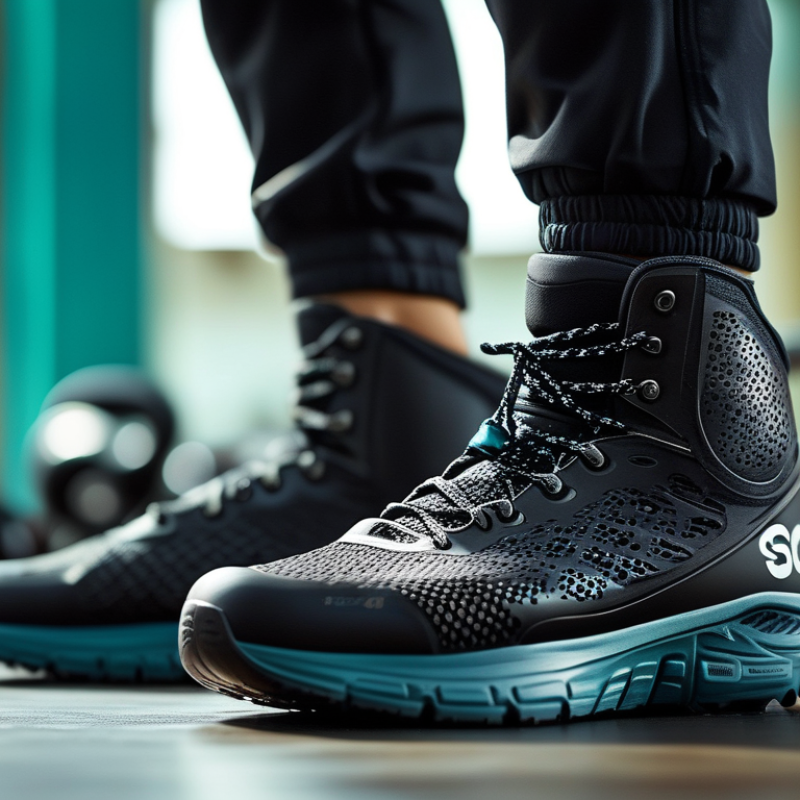
Circulator Boot Therapy works by improving blood flow and reducing swelling. This method involves special boots that apply intermittent compression. The pressure pushes blood toward the heart, enhancing circulation. As blood flow improves, oxygen reaches muscles faster, aiding recovery.
The mechanism behind this therapy is fascinating. When the boots inflate, they create a pulsing effect. This not only stimulates circulation but also helps to flush out toxins. Many athletes use this to recover after intense workouts.
However, not everyone may respond the same way. Some might find it uncomfortable or not see immediate benefits. It's essential to understand how your body reacts. While many find relief, others may need alternative methods. Observing personal responses can lead to better approaches in recovery routines. It's crucial to balance different therapies for optimal results.
Circulator Boot Therapy has gained attention in recent years for its role in muscle recovery. This modality employs pneumatic compression to enhance blood flow. Increased circulation aids in the removal of metabolic waste and delivers nutrients to muscles, speeding up healing. A study published in the Journal of Athletic Training showed a 30% reduction in muscle soreness after consistent use of compression therapy.
Athletes are turning to this therapy to recover faster. According to the National Athletic Trainers' Association, physical therapy combined with pneumatic compression can significantly improve recovery times. The therapy is not just for elite athletes; recreational fitness enthusiasts also report notable improvements in post-workout recovery. Some users experience enhanced flexibility and a decrease in muscle stiffness.
However, some athletes may be skeptical. They wonder if such therapy truly makes a difference. While many claim benefits, further research is needed to solidify these findings. Recovery methods are often subjective, varying from person to person. Testing and evaluating different therapies can provide more personalized approaches. While Circulator Boot Therapy shows promise, it's essential to combine it with a comprehensive recovery plan tailored to individual needs.
Circulator Boot Therapy has gained attention as an innovative recovery method. Traditional approaches often rely on static stretching, foam rolling, or simple ice packs. While these methods can provide some relief, they lack dynamic benefits. Circulator Boot Therapy offers a unique way to enhance blood flow and promote faster recovery.
The technology behind Circulator Boot Therapy includes compression and reinvigoration. Users experience pulsating pressure to the legs, which aids in reducing muscle soreness. In contrast, traditional methods may leave areas untreated and can be time-consuming. It’s essential to consider the efficiency and effectiveness of each method, especially for athletes.
Tips: Always listen to your body. If you feel discomfort, adjust the pressure settings. It’s vital to hydrate adequately before and after therapies. Moreover, regular use of newly adopted methods can ensure they complement each other effectively. Recovery should be a personalized journey that considers individual needs.
| Recovery Method | Duration of Use (mins) | Key Benefits | Expected Recovery Time (days) | Ease of Use (1-5) |
|---|---|---|---|---|
| Circulator Boot Therapy | 30 | Enhances blood circulation, reduces swelling | 3-5 | 5 |
| Compression Wraps | 60 | Offers localized support, reduces muscle soreness | 4-7 | 3 |
| Ice Therapy | 20 | Reduces pain and inflammation | 5-10 | 4 |
| Massage Therapy | 45 | Promotes relaxation, enhances flexibility | 4-8 | 3 |
| Active Recovery Exercises | 30 | Improves strength and mobility | 6-10 | 2 |
Circulator Boot Therapy can significantly benefit various individuals seeking improved recovery. Athletes, for instance, often experience intense muscle soreness after rigorous training sessions. This specialized therapy aids in reducing that soreness and enhancing circulation. By promoting better blood flow, it helps speed up the healing process, allowing athletes to return to their routines sooner.
Individuals recovering from surgery also find value in this therapy. Post-operative swelling and stiffness can hinder rehabilitation. Circulator Boot Therapy helps alleviate these symptoms, making recovery smoother. Even those with chronic pain conditions, such as fibromyalgia or arthritis, may benefit from the gentle compression it provides. The soothing pressure can lead to increased comfort and mobility.
However, not everyone may find this therapy effective. Some people report minimal relief or discomfort during treatment. It's essential to consider personal health conditions and consult healthcare professionals before starting any therapy. This individualized approach ensures a safer and more effective recovery journey for each person.
Circulator boot therapy can be a valuable tool for recovery. However, safety and considerations are crucial when using this method. People must be aware of any underlying medical conditions. For example, conditions like diabetes or circulatory disorders may complicate the use of circulator boots. Consulting a healthcare professional is essential to avoid potential risks.
The experience of using circulator boots can vary widely. Some users report feeling immediate relief, while others may find the sensation uncomfortable. Pay attention to your body’s response during the session. Adjust the pressure settings if necessary, but do not exceed recommended levels. Consistent monitoring can prevent any adverse effects.
In addition to physical safety, mental awareness is important. Understand that results may not be instant. Allow time for recovery to take effect. The goal is not just quick relief, but long-lasting benefits. Use this therapy as part of a holistic recovery plan. Regular follow-ups with a healthcare provider can help ensure safety and effectiveness over time.
: It's a technique using pneumatic compression to improve blood flow and aid muscle recovery.
It enhances circulation, removes metabolic waste, and delivers nutrients, speeding up healing.
Most people can use it, but those with medical conditions should consult a healthcare professional first.
Experiences vary; some feel immediate relief while others may find it uncomfortable.
Results can take time; it's essential to allow your body to adjust and recover gradually.
Some studies show benefits, but more research is needed to confirm its effectiveness for everyone.
It should be part of a broader recovery strategy, including flexible approaches tailored to individual needs.
Usage frequency varies; it’s wise to consult with a healthcare provider for personalized recommendations.
Yes, adjusting pressure is fine, but don’t exceed recommended levels for safety.
Listen to your body; if discomfort occurs, consider adjusting settings or stopping the session.
Circulator Boot Therapy is an innovative approach designed to enhance muscle recovery through advanced compression techniques. The therapy works by improving blood circulation and facilitating lymphatic drainage, which helps reduce muscle soreness and accelerate healing. Unlike traditional recovery methods, such as ice baths or foam rolling, Circulator Boot Therapy offers a more efficient and comfortable way to promote recovery, making it a preferred choice for athletes and individuals seeking to optimize their post-exercise routines.
Many can benefit from Circulator Boot Therapy, including athletes, fitness enthusiasts, and those recovering from injuries. While it is generally safe, users should consider personal health conditions and consult with a healthcare professional if necessary. Overall, Circulator Boot Therapy represents a promising option for those looking to improve their recovery process effectively and safely.

KONBEST