China Best Circulating Ice Machine for Knee Buyers Guide?

Time:2026-09-17 Author:Ethan
0%

Choosing the China best circulating ice machine for knee recovery requires more than comparing prices and cooling times. A Circulating Ice Machine For Knee should deliver steady cold water through a fitted pad, while remaining comfortable during seated or reclining use. Buyers should examine pump performance, temperature control, pad coverage, hose flexibility, noise, cleaning access, and electrical safety. Small details matter. A stiff hose can pull against a healing knee. A loose lid can create spills beside a chair.

This guide evaluates Chinese-made systems from a practical buyer’s perspective. It considers product construction, user feedback, supplier documentation, warranty support, and after-sales communication. Reliable manufacturers should explain operating limits clearly and provide verifiable safety information. They should also identify replacement pads, connectors, and power specifications before purchase. Marketing language is not evidence.

Clinical needs differ.

Some users may prefer gentle cooling after exercise, while others may need compression or professional supervision. Cold therapy can be unsuitable for people with reduced sensation, circulation problems, or certain medical conditions. A healthcare professional should guide those decisions, especially after surgery. This guide does not replace medical advice. It helps buyers ask better questions and avoid avoidable mistakes.

No machine is perfect. Even a well-reviewed model may be noisy, difficult to drain, or poorly supported in another country. By comparing real-world convenience with technical claims, readers can select a circulating ice machine that fits their knee-care routine, budget, and safety requirements.
China Best Circulating Ice Machine for Knee Buyers Guide?

What Is a Circulating Ice Machine for Knee Recovery?

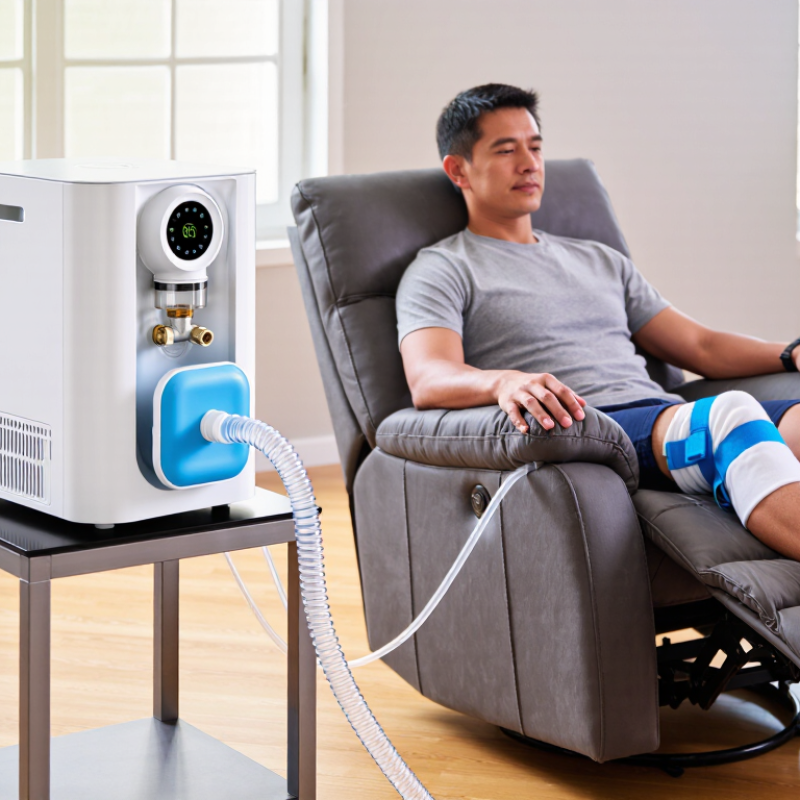
A circulating ice machine for knee recovery uses a small pump to move chilled water through a flexible pad. The pad rests around the knee, creating steady, localized cooling after surgery or strenuous rehabilitation. Unlike a loose ice bag, it can maintain contact while the patient rests. Temperature and treatment time still require careful control.

Clinical evidence is useful, but not perfect. A Cochrane review of 11 studies involving 809 participants found low-certainty evidence for cryotherapy after knee surgery. Pain and swelling may improve, yet results differed between treatment methods and patients. That uncertainty matters. Cooling should support prescribed exercises, not replace them. The American Academy of Orthopaedic Surgeons also emphasizes coordinated pain management and early, guided movement after knee replacement.

For buyers comparing China-made equipment, inspect pump noise, pad fit, hose security, and cleaning instructions. A practical test is simple: the pad should feel evenly cool, without sharp cold spots. Check whether the reservoir is easy to refill beside a bed or therapy table.

Users with reduced skin sensation, circulation problems, or unusual pain should ask a qualified clinician before use. Skin checks are essential. Remove the pad if numbness, whitening, blistering, or burning appears. Product specifications can look impressive, but real recovery depends on safe settings, consistent rehabilitation, and suitable medical advice.

How Does a Knee Cold Therapy Machine Work?

A circulating ice machine for the knee uses a small pump, insulated tubing, and a fitted cold wrap. Water moves continuously from the reservoir into the wrap around the joint. The system keeps the temperature more stable than a loose ice bag. Cold exposure can reduce local blood flow and slow nerve signals. This may ease pain and limit temporary swelling after exercise or knee surgery. The wrap also applies gentle, even contact around the knee.

The process is simple. Fill the reservoir with water and ice, connect the tubing, and place a thin cloth between the wrap and skin. A typical session lasts about 15 to 20 minutes, unless a clinician gives different instructions. Check the skin every few minutes for unusual whiteness, numbness, burning, or sharp discomfort. Stop if these signs appear.

Cold therapy is supportive, not a complete treatment. It cannot correct a torn ligament or replace rehabilitation exercises. That assumption is incomplete. People with poor sensation, circulation problems, or certain vascular conditions should seek medical advice before use.

In practice, users sometimes make the wrap too tight, hoping for faster relief. That can increase discomfort and restrict circulation. A moderate fit works better. The knee should feel cool, not painfully frozen.

Availability and machine quality can vary among suppliers, so buyers should examine temperature controls, cleaning instructions, tubing seals, and service support before purchase.

Which Features Matter When Choosing a China-Made Model?

China Best Circulating Ice Machine for Knee Buyers Guide?

When choosing a China-made knee ice machine, temperature control matters more than attractive packaging. A 2023 systematic review in the Journal of Clinical Medicine reported that cold therapy can reduce postoperative pain and swelling, but results vary by protocol. Choose adjustable cooling, not only “cold” and “colder.” A practical range around 10–15°C offers control without excessive skin exposure. The device should also include a timer, insulated tubing, and a knee-shaped wrap that stays evenly wet.

Pump quality deserves close inspection. Ask for flow-rate data, noise ratings, leak testing, and continuous operating hours. A large reservoir is useful, but poor insulation wastes cooling power. Look for medical-grade contact materials supported by ISO 10993 testing. Electrical safety should follow IEC 60601-1, while the factory’s quality system should be certified to ISO 13485. The 2023 ISO Survey recorded tens of thousands of ISO 13485 certificates worldwide, yet certification alone does not prove every batch is reliable.

Check the details yourself. Request test reports, serial-number traceability, and samples from regular production. I would not trust a perfect brochure without hose and connector testing. That is where failures often appear. Controls should be readable after surgery, even under dim bedroom lighting. Some suppliers overlook this small point. Patients do not.

How to Compare Suppliers, Quality, Safety, and Pricing

When sourcing a circulating ice machine for knee recovery in China, compare the supplier before comparing the quotation. Request ISO 13485 quality-system evidence, recent audit records, and batch traceability. ISO 14971 risk management should support documented controls for leakage, overheating, pressure, and electrical faults. Check compatibility with IEC 60601-1 and IEC 60601-1-2 requirements where applicable. Certification alone is not enough.

Ask for measured cooling temperature, flow rate, noise level, reservoir capacity, and operating time. A practical test should include a filled knee wrap, a 30-minute leak check, and repeated start-stop cycles. The 2024 Journal of Clinical Medicine review on cryotherapy reported pain and swelling benefits, but also noted varied protocols and uneven evidence. That matters. A colder setting is not automatically safer. Skin protection and treatment instructions deserve close attention.

Pricing should include the pump, wraps, hoses, spare parts, packaging, shipping, warranty, and after-sales support. A low factory price may become expensive after replacement parts and slow communication. Compare at least three suppliers using the same specification sheet. Request samples. Paper claims can disappoint. Published market reports, such as Grand View Research’s cold therapy market analysis, show industry growth, but they do not verify one supplier’s performance. I would value transparent test data over impressive brochures. Safety instructions should be clear, translated, and physically printed with every unit.

China Best Circulating Ice Machine for Knee Buyers Guide

A practical procurement scorecard for comparing circulating cold-therapy suppliers without relying on company or brand names. Safety and quality should receive greater weight than purchase price.

Recommended evaluation weights: safety and regulatory evidence 30%, cooling performance 25%, product quality and durability 20%, supplier service 15%, and total landed cost 10%. Buyers should verify test reports, temperature control, insulation, electrical protection, warranty terms, spare-parts availability, and shipping costs before placing an order.

How to Use and Maintain a Circulating Ice Machine Safely

When comparing a circulating ice machine for knee recovery, look beyond cooling power. Choose a unit with clear water markings, secure tubing, and an adjustable treatment pad. Follow your clinician’s instructions, especially after surgery or when swelling is severe.

Before use, inspect the pad, hose, and power cord for cracks or leaks. Place the machine on a stable, dry surface. Fill the reservoir with clean water only, unless the manual states otherwise.

Wrap a thin cloth around the knee before attaching the pad. It should feel cool, not painfully cold. Check your skin every 15 to 20 minutes.

Stop immediately if you notice burning, unusual numbness, pale skin, or blotchy redness. Never tighten the pad enough to restrict circulation. Avoid sleeping with the device running unless a qualified healthcare professional approves it.

After each session, unplug the machine and drain leftover water. Wash the reservoir and pad with mild soap, then rinse and air-dry them completely. Moisture can encourage unpleasant odors and contamination.

Do not share the pad without proper cleaning. Replace damaged tubing promptly.

In my experience, users often chase colder temperatures, but colder is not always safer. I once underestimated how quickly numbness could develop during a long session. That mistake deserves attention.

Record treatment times and skin reactions, and contact a healthcare professional if pain, swelling, or skin changes continue.

FAQS

What is a circulating ice machine for knee recovery?

It uses a small pump to move chilled water through a flexible knee wrap. The wrap provides steady, localized cooling while you rest. It stays in contact better than a loose ice bag. Temperature and session length still need careful control.

How does the machine cool the knee?

Water travels from a reservoir through insulated tubing into the fitted wrap. The wrap cools the joint with gentle, even contact. Cooling may reduce local blood flow and slow nerve signals. The effect can be temporary. That matters.

How long should one session last?

A typical session lasts about 15 to 20 minutes. Follow different instructions if a qualified clinician provides them. Place a thin cloth between the wrap and your skin. Check the area during treatment. Do not chase stronger cold.

What skin changes mean I should stop?

Stop if the skin becomes numb, white, blistered, burning, or sharply painful. Remove the wrap and allow the skin to return to normal. Check the knee every few minutes. Cold should feel cool, not painfully frozen.

Can cold therapy replace rehabilitation exercises?

No. Cold therapy may support pain and swelling control after surgery or exercise. It cannot repair a torn ligament or replace guided movement. Prescribed exercises remain important for recovery. The evidence is not fully settled.

Who should seek medical advice before using this device?

People with reduced skin sensation should ask a qualified clinician first. The same applies to circulation problems or certain vascular conditions. Unusual pain also deserves professional attention. Users may overlook this step.

How tightly should the knee wrap fit?

The wrap should feel secure without restricting circulation. Some users tighten it too much, expecting faster relief. That can increase discomfort. A moderate fit works better. Not always obvious.

What should buyers inspect before purchasing a machine?

Check pump noise, wrap fit, tubing seals, and cleaning instructions. The reservoir should be easy to refill beside a bed or therapy table. Look for even cooling without sharp cold spots. Service support and temperature controls also matter. Specifications alone do not guarantee useful recovery.

Conclusion

A Circulating Ice Machine For Knee is a cold therapy device designed to support recovery after surgery, exercise, or minor knee injuries. It continuously circulates chilled water through a connected pad, helping provide consistent cooling around the knee while allowing users to adjust the temperature and treatment duration. Compared with traditional ice packs, it can offer more even coverage, improved comfort, and easier hands-free use.

When choosing a China-made model, buyers should evaluate temperature control, circulation performance, pad design, insulation, noise level, power compatibility, and ease of cleaning. Supplier reliability is equally important, so compare product specifications, quality-control procedures, safety testing, warranty terms, production capacity, and total pricing rather than focusing only on the lowest quote. Safe use requires following the instructions, protecting the skin from excessive cold, checking for discomfort, and limiting sessions as recommended by a healthcare professional. Regularly replacing water, cleaning the reservoir and pad, inspecting hoses for leaks, and storing the machine properly can help maintain hygiene, performance, and service life.


Ethan

Ethan

Ethan is a seasoned marketing professional with a deep expertise in our company's innovative product line. With a passion for sharing knowledge and insights, he takes the lead in regularly updating our corporate blog, where he explores industry trends, product features, and effective marketing......