Choosing the best Cold Therapy Ice Machine in 2026 is not simply about finding the coldest water. A useful machine must deliver controlled cooling, steady circulation, and practical comfort during real recovery routines. It should fit beside a sofa, operate without constant refilling, and keep its hose secure while you move carefully. Small details matter.
This guide examines cooling performance, reservoir size, noise, portability, timer controls, and wrap design. It also considers how evenly each unit distributes cold around a knee, shoulder, ankle, or elbow. A machine that chills quickly may still disappoint if the pump feels weak or the pad becomes unevenly cold. I have learned that convenience often decides whether people use therapy consistently.
Safety deserves equal attention. Cold therapy should feel soothing, not painfully numb or irritating. Users should follow medical advice, protect their skin when appropriate, and stop when unusual discomfort appears. Product instructions also matter, especially for people with circulation concerns, reduced sensation, or recent surgery. No device replaces professional guidance.
There is no perfect choice.
The “best” model depends on injury type, budget, living space, and personal tolerance. Some buyers may prefer quieter operation, while others need longer sessions away from an outlet. This comparison aims to separate useful performance from attractive marketing claims. It may not answer every individual need, but it should make the decision clearer, more realistic, and easier to discuss with a qualified healthcare professional.
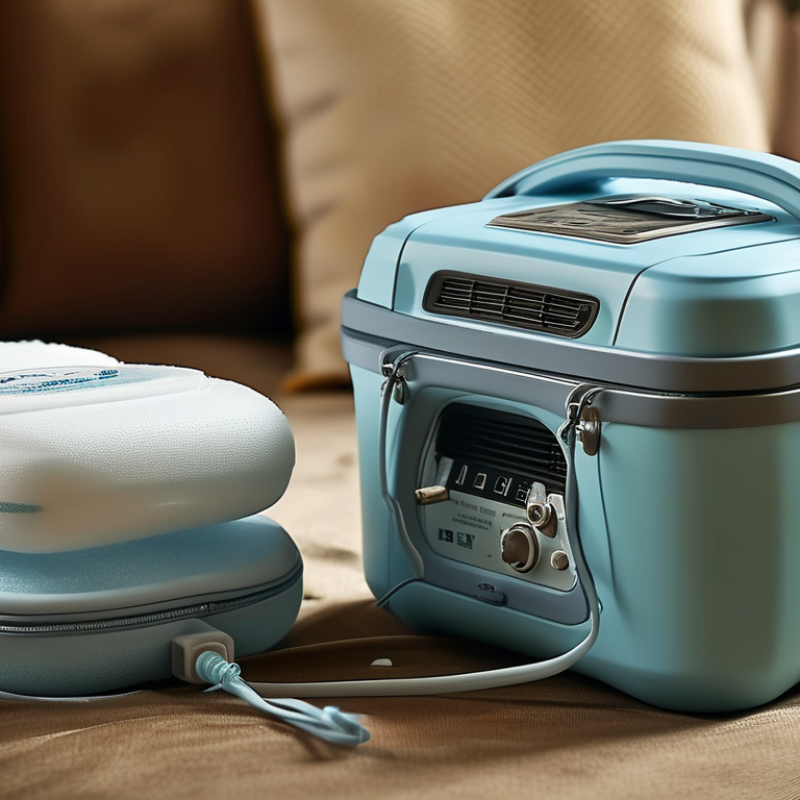
A cold therapy ice machine combines chilled water, a small pump, and a flexible wrap. The machine cools water inside an insulated reservoir. Then, the pump moves that water through channels in the wrap. Cold returns to the reservoir, creating a repeating cycle.
Unlike a simple ice bag, this system can provide steadier cooling. The wrap usually covers a joint, such as the knee, shoulder, or ankle. Gentle compression may also limit swelling around the treatment area. A user can adjust the session length, but colder is not always better. Skin protection matters.
Use a thin cloth between the wrap and your skin. Check the area regularly for numbness, unusual pain, pale skin, or burning sensations.
Stop treatment if these symptoms appear. People with reduced sensation, circulation problems, or certain medical conditions should seek professional advice first. One common mistake is falling asleep while using the machine. That can make skin checks impossible.
A suitable machine should fit the body area, hold its temperature consistently, and allow simple cleaning. Leaks, noisy pumps, and awkward straps can quickly reduce its value. The “best” choice depends on recovery needs, comfort, and medical guidance. My assessment would not rely on cooling power alone. Ease of safe, repeatable use matters more.
When choosing the best cold therapy ice machine in 2026, temperature control matters more than appearance. Look for adjustable cooling levels rather than a single, harsh setting. A useful unit should keep water cold without freezing the skin. It should also include an automatic shutoff and a clear treatment timer.
Fit is equally important. The wrap should sit firmly around the knee, shoulder, or ankle without cutting circulation. Wide straps help, but excessive pressure can become uncomfortable quickly. Some systems combine cold therapy with gentle compression. That may improve convenience, although stronger compression is not automatically better. Follow a clinician’s advice after surgery or injury.
Practical details often decide whether a machine gets used. Check the reservoir size, refill method, hose flexibility, and cleaning instructions. A quiet pump is valuable at night. Smooth inner surfaces are easier to sanitize. I would also inspect the power cord and battery options for home or travel use. Portability sounds useful, but a heavy reservoir can discourage regular treatment. It is easy to overvalue extra settings. Simple controls may be safer for tired users. Read the temperature range carefully, and avoid placing ice directly against bare skin. Personal comfort, medical guidance, and consistent use should influence the final choice.
Which Features Matter When Choosing a Cold Therapy Ice Machine?
This practical evaluation framework assigns a 100-point total weight to the features that most affect safety, comfort, consistency, and everyday usability. Temperature control, wrap fit, and reliable water circulation receive the highest priorities because they directly influence treatment quality.
The best cold therapy ice machine depends on how, where, and why you use it. In 2026, leading models differ in cooling consistency, water capacity, sleeve fit, noise, and portability. A useful comparison starts with temperature control. Some machines provide steady cooling, while others warm noticeably as the water circulates. Consistent contact matters more than extreme cold.
Look for adjustable pressure and a sleeve that covers the treatment area evenly. A knee sleeve should sit securely without squeezing sensitive skin. For shoulder or ankle recovery, flexible tubing and several wrap sizes can make daily use easier.
Large reservoirs reduce refilling, but they also add weight. Compact units travel better. They may need more frequent ice changes. That trade-off is easy to underestimate.
Safety deserves careful attention. A reliable machine should have clear controls, leak-resistant connections, and instructions for recommended treatment times. People with reduced sensation, circulation problems, or recent surgery should ask a qualified healthcare professional before use. Cold therapy is not automatically better when it feels colder. I still find portability difficult to judge from product specifications alone; a quiet machine can feel heavy after several trips upstairs. Reviews should mention real handling, cleaning effort, and sleeve comfort, not only cooling speed. Good comparisons also separate personal preference from measurable performance. No single design wins every situation.
The best cold therapy ice machine depends on the recovery task, not the highest price. After knee surgery, select steady cooling, simple controls, and a flexible wrap.
A Cochrane review examined 11 studies involving 809 patients after knee replacement. It found limited, low-quality evidence for pain and swelling benefits. That finding matters. A machine should support rehabilitation, not replace movement or clinical advice.
For sports recovery, portability and fast setup usually matter more. Look for a lightweight reservoir, leak-resistant tubing, and adjustable compression. Athletes may prefer shorter sessions between training blocks. Patients managing swelling may need longer, gentler cooling with reliable temperature control.
The American Academy of Orthopaedic Surgeons reports that cryotherapy can provide short-term relief after knee replacement, but evidence remains limited. More features do not automatically mean better recovery.
My first instinct was to recommend maximum cold. I would rethink that. Excessive cooling can irritate skin and reduce comfort, especially around numb surgical areas. Check the skin often.
Avoid choosing a device without clear instructions, washable contact materials, and an automatic shutoff.
A 2024 market analysis from Grand View Research describes continued growth in cold therapy equipment demand, but market growth is not clinical proof. Fit, safety, and realistic daily use still decide the better machine.
A safe cold therapy ice machine should offer steady cooling, clear controls, and a secure wrap. Ease of cleaning matters too. Before use, read the instructions and follow your clinician’s guidance after surgery or injury. Place a thin cloth between the pad and your skin. Never apply the pad directly to bare skin. Cold should feel dull and calming, not painful. Keep each session within the recommended time, often 15 to 20 minutes. Check your skin during treatment.
Stop immediately if you notice burning, intense numbness, blistering, or pale or bluish skin. Do not sleep while using the machine. People with poor circulation, reduced sensation, diabetes, or cold sensitivity should seek medical advice first. Open wounds and infected areas need specific professional guidance. Small details matter. A loose hose can soak bedding, while an overly tight wrap may restrict circulation.
After each session, switch off and unplug the unit. Empty the reservoir, rinse it as directed, and dry every removable part. Moisture left inside tubing can encourage unpleasant odors or microbial growth. Clean the pad and reservoir only with approved methods. Harsh chemicals may damage materials and leave irritating residue. Inspect hoses, seals, and connectors for cracks or leaks. Store the machine dry, covered, and away from children. The routine can feel fussy. Still, skipping one drying step may create a problem later.
: Choose adjustable cooling levels, steady circulation, an automatic shutoff, and a clear treatment timer. Extreme cold is not better.
The wrap should hold the knee, shoulder, or ankle evenly without restricting circulation. Wide straps can improve stability. Too much pressure quickly becomes uncomfortable.
Gentle compression may improve convenience, but stronger pressure is not automatically safer or more effective. Follow professional medical advice after injury or surgery.
Check reservoir size, refill methods, hose flexibility, cleaning instructions, and connection quality. A heavy reservoir may discourage regular treatment. That trade-off is easy to miss.
Compact units travel more easily, but they may require frequent ice changes. Larger reservoirs reduce refilling and add weight. Specifications cannot show every handling problem.
Read the instructions and follow medical guidance. Place a thin cloth between the pad and skin. Never put ice directly against bare skin. Keep sessions within the recommended time.
Stop if burning, severe numbness, blistering, or pale or bluish skin appears. Do not sleep while using the machine. These signs need attention.
People with reduced sensation, circulation problems, diabetes, cold sensitivity, recent surgery, open wounds, or infected areas should ask a qualified professional.
Switch it off, unplug it, empty the reservoir, rinse approved parts, and dry the tubing thoroughly. Inspect hoses, seals, and connectors for leaks. Store the unit dry and covered.
Consistent cooling, comfortable fit, safe controls, and easy cleaning often matter more than numerous settings. Simple is safer. I may overvalue portability when carrying a full reservoir upstairs.
A Cold Therapy Ice Machine is a recovery device that circulates chilled water through a connected therapy pad, delivering steady, controlled cooling to a specific area of the body. Unlike a basic ice pack, it can provide more consistent coverage and may be easier to use during rest after exercise, minor injuries, or medical procedures. When choosing one, consider temperature control, circulation performance, pad design, tank capacity, portability, noise level, insulation, and ease of cleaning.
The best option in 2026 depends on individual recovery needs. A compact model may suit occasional home use, while a larger-capacity unit can be more convenient for extended sessions. Flexible pads are useful for joints and contoured areas, whereas broader pads may support larger muscle groups. Safe use includes following the instructions, using a protective layer between the pad and skin, limiting session length, checking the skin regularly, and stopping if discomfort or unusual numbness occurs. Proper drainage, cleaning, and storage can also help maintain performance and hygiene.

KONBEST