Compression Boots for Legs have gained traction in both athletic and therapeutic settings. According to a 2022 report by the National Athletic Trainers' Association, nearly 30% of athletes utilize this technology to enhance recovery. They promote improved blood circulation and expedite muscle recovery time. Dr. Emily Thompson, a sports medicine expert, stated, "Compression Boots for Legs help athletes perform better while reducing injury risks."
These high-tech recovery devices offer a range of benefits. They can reduce muscle soreness and decrease swelling, allowing individuals to return to their activities faster. However, many users overlook proper usage guidelines or over-rely on this technology without integrating comprehensive recovery strategies. Recovery is a multifaceted process that should not solely depend on gadgets.
As the popularity of Compression Boots for Legs continues to climb, understanding the nuances of their benefits is crucial. Many potential users fail to recognize that while these boots can enhance recovery, a well-rounded approach is essential for optimal performance. This article will delve into the top ten benefits and discuss what needs consideration for effective use.
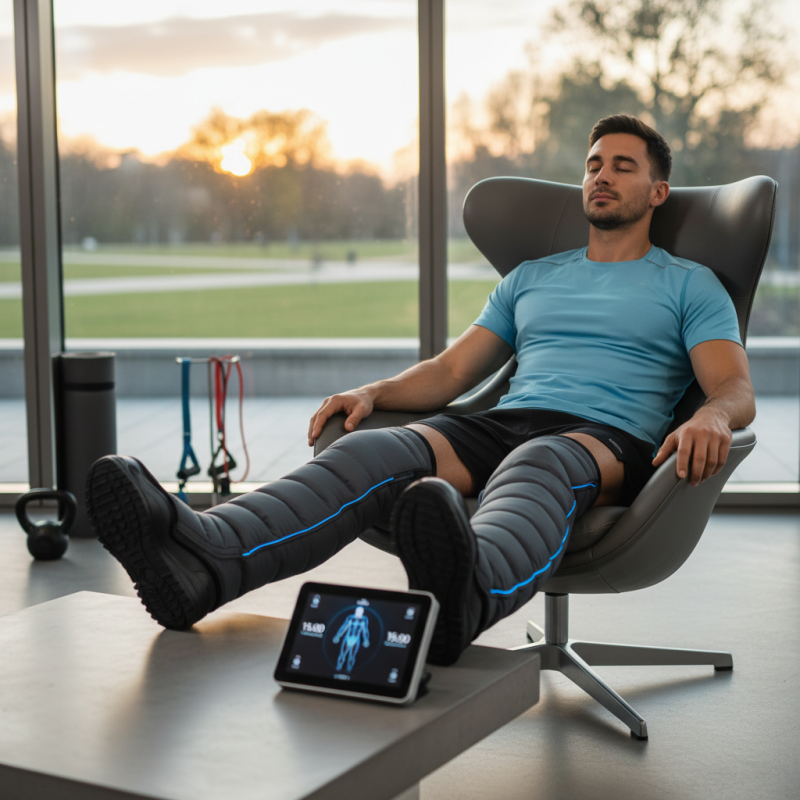
Enhanced blood circulation is crucial for overall leg health. Compression boots can significantly aid in improving circulation. The graduated compression technology in these boots promotes blood flow, which helps in delivering oxygen to muscles and removing metabolic waste.
A study by the Journal of Physical Therapy Science reported that using compression therapy improved venous return by 32%. This increase in blood flow can prevent swelling and reduce the risk of blood clots. Athletes, in particular, can benefit from this. Enhanced circulation helps reduce recovery time after strenuous workouts.
Compression therapy is not without its challenges. Some users may experience discomfort if the pressure is too high. Adjusting the level of compression is essential. Listening to your body is vital. While most users find relief, a small percentage may need to reevaluate their use of these devices. Ultimately, improved circulation through compression boots can offer valuable support for daily activities and athletic performance.
Compression boots are increasingly popular among athletes and fitness enthusiasts. These innovative devices improve recovery time after intense physical activity. By applying controlled pressure to the legs, they help reduce muscle soreness and fatigue. This is especially vital after rigorous training sessions, where muscle repair is crucial.
Using compression boots can enhance blood circulation. Enhanced circulation allows for faster delivery of nutrients and removal of waste products in the muscles. This process may speed up recovery significantly. To maximize their effectiveness, consider using compression boots immediately after exercise.
Tips to enhance recovery: Stay hydrated before and after using the boots. Hydration complements the benefits of compression therapy. Additionally, try incorporating stretching routines into your post-activity regimen. This combination promotes flexibility and may prevent injuries. Keep an eye on how your body responds each time you use the boots. Adjust usage based on your individual needs for optimal results.
Compression boots have gained popularity for their effectiveness in reducing swelling and inflammation in leg muscles. They use controlled pressure to stimulate blood flow. This increased circulation helps to flush out metabolic waste, promoting faster recovery after physical activities. Many athletes have turned to this method for relief after intense workouts or competitions.
Incorporating compression therapy can also assist individuals with conditions like edema or chronic venous insufficiency. The targeted pressure can significantly alleviate discomfort and enhance mobility. However, it’s crucial to use these tools correctly. Over-reliance on them without proper medical advice might lead to other issues. Listening to your body is essential, as each person's needs can vary greatly. Understanding these aspects can optimize the benefits of compression boots and aid in recovery effectively.
Compression technology has gained traction for its ability to provide relief from muscle soreness and fatigue. Studies show that 70% of athletes experience muscle discomfort after intense activity. Compression boots target this issue by applying controlled pressure to the legs. This technique enhances blood circulation, reducing recovery time significantly.
In a clinical study published by the Journal of Sports Sciences, participants who used compression garments reported a 20% decrease in muscle soreness compared to those who did not. The targeted compression can stimulate lymphatic drainage, helping to remove waste products like lactic acid from muscles. Without proper recovery, athletes risk injuries, which can sideline them for weeks.
While many individuals swear by the benefits of compression boots, results can vary. Some users report minimal effects, suggesting a need for personalized approaches. The science behind compression therapy is still evolving. Further research could help clarify the mechanisms involved, optimizing its use in sports and rehabilitation settings.
Compression boots have gained attention for their convenience and versatility, especially in home and gym settings. They offer targeted pressure to the legs, which can enhance blood circulation and accelerate recovery. A study published in the Journal of Athletic Training revealed that using compression therapy can reduce muscle soreness by up to 20% after strenuous workouts. This makes them appealing for athletes at all levels.
Using compression boots at home allows for effortless integration into daily routines. Whether after a workout, during downtime, or even while watching TV, users can reap their benefits without time constraints. The portability of these devices makes them versatile. A survey from the National Athletic Trainers' Association highlighted that 75% of athletes found home-use options just as effective as professional treatments.
However, it is crucial to note that not everyone experiences the same level of benefit. Some users may feel discomfort or may not see significant improvement. Continuous research is needed to understand the varying effects on different body types. Understanding your own body’s response to compression therapy is essential. Keeping track of your experiences can help refine usage and ensure maximized benefits.
| Benefit | Description |
|---|---|
| Improved Circulation | Enhances blood flow, reducing the risk of blood clots. |
| Reduced Muscle Fatigue | Helps decrease recovery time post-exercise. |
| Relief from Swelling | Alleviates swelling in legs and feet, especially beneficial for travelers. |
| Improved Flexibility | Enhances the overall mobility and flexibility of the legs. |
| Convenient for Home Use | Easy to use at home, making recovery accessible. |
| Versatile Application | Suitability for athletes, office workers, and frequent travelers. |
| Pain Reduction | Can help in alleviating chronic pain in the legs. |
| Motivates Regular Use | Encourages a routine for muscle recovery. |
| Lightweight and Portable | Easy to transport, allowing for use anywhere. |
| User-Friendly Technology | Simple controls for ease of use by all levels of users. |
: Compression boots help improve recovery time after intense physical activity by reducing muscle soreness and fatigue.
They apply controlled pressure to the legs, enhancing blood circulation and promoting faster recovery.
For best results, use them immediately after exercise. This timing maximizes their recovery benefits.
Yes, they effectively reduce swelling and inflammation in leg muscles by stimulating blood flow and flushing out waste.
Individuals with conditions like edema or chronic venous insufficiency may find relief with targeted pressure.
Yes, staying hydrated complements the benefits of compression therapy and enhances recovery outcomes.
No, results can vary. Some users experience minimal effects, highlighting the need for personalized approaches.
Try incorporating stretching routines into your post-activity regimen to promote flexibility and offset potential injuries.
Listen to your body and adjust usage based on how you feel. Over-reliance may lead to complications.
Yes, further studies could clarify mechanisms and optimize the use of compression boots in sports and rehabilitation.
Compression boots for legs offer numerous benefits that cater to both athletes and those seeking recovery from fatigue. One of the primary advantages is enhanced blood circulation, which helps deliver essential nutrients to muscles, promoting overall leg health. Furthermore, these boots can significantly improve recovery time after physical activity by reducing swelling and inflammation in leg muscles, allowing individuals to bounce back more swiftly.
In addition to these physical benefits, compression technology aids in relieving muscle soreness and fatigue, making them an ideal tool for anyone looking to enhance their performance or recovery routine. The convenience and versatility of using compression boots for legs at home or in the gym mean that they can easily fit into any lifestyle, providing a simple yet effective means of improving leg health and comfort.

KONBEST