2026 Best Electric Ice Pack for Knee Buying Guide?

Time:2026-09-22 Author:Mason
0%

Choosing the best Electric Ice Pack For Knee in 2026 requires more than comparing prices and star ratings. A reliable model should deliver controlled cooling, even coverage, comfortable pressure, and dependable battery performance. Imagine sitting after a long walk, with cold reaching the kneecap while the strap stays secure. That practical moment matters.

Sports-medicine physician Dr. Gabe Mirkin, who introduced the original RICE concept, has cautioned, “Ice does not heal injuries; it only reduces pain and swelling.” This reminder keeps expectations realistic. An electric ice pack may ease discomfort temporarily, but it cannot diagnose the cause of knee pain or repair damaged tissue. Serious swelling, instability, numbness, or persistent pain deserves professional assessment.

This buying guide examines cooling levels, timer settings, battery life, fit, fabric quality, and cleaning requirements. It also considers whether a device feels useful during recovery or merely looks advanced in advertising. Check the contact surface carefully. Skin should feel comfortably cool, not painfully cold. Never ignore unusual tingling or discoloration.

Some products combine cooling with compression, vibration, or gentle heating. These features can be convenient, but more functions do not always mean better treatment. A loose wrap may cool unevenly. A powerful battery may still offer poor value if the controller fails. Small flaws matter.

The right choice depends on your knee size, activity level, sensitivity to cold, and clinician’s advice. This guide aims to support an informed decision, while admitting one limitation: product performance can vary between users.
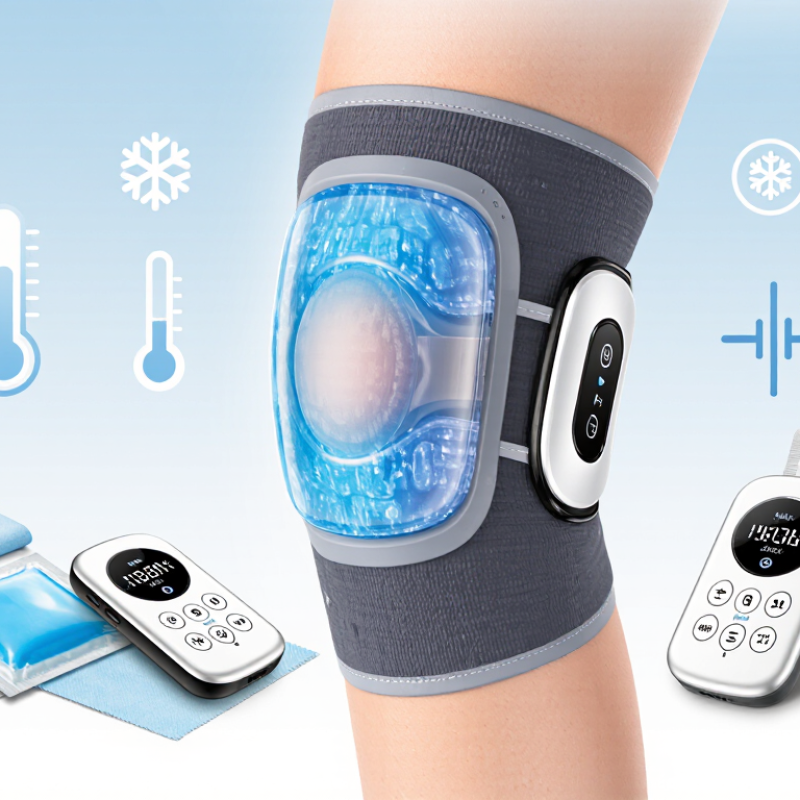
2026 Best Electric Ice Pack for Knee Buying Guide?

What Is an Electric Ice Pack for Knee Pain?

An electric ice pack for knee pain is a powered cold-therapy system, not simply a frozen gel pouch. It usually uses a small motor, a cooling chamber, or a water reservoir to deliver controlled cold through a wrap. Some models also provide gentle compression. The wrap sits around the knee, while tubing or internal channels help spread the temperature across the joint.

Cold can reduce local blood flow and may ease swelling, soreness, and pain after exercise, minor injury, or knee surgery. It does not repair damaged cartilage or cure arthritis. That distinction matters. In practical use, a controlled system can feel more consistent than a melting ice bag, especially when the knee needs repeated treatment. However, temperature readings can vary between devices, and “more cold” is not automatically better.

Place a thin cloth between the skin and the cooling surface unless the instructions say otherwise. Check the skin often for excessive redness, whitening, burning, or numbness. Stop if these signs appear. People with poor circulation, reduced sensation, diabetes, or recent surgery should ask a healthcare professional before using one. Keep the knee relaxed, and follow the recommended session time. Longer sessions may seem helpful, but they can irritate skin and superficial nerves. The best device is not necessarily the coldest one; fit, temperature control, cleaning, and safe shutoff deserve equal attention.

How Electric Knee Ice Packs Work and Which Features Matter

2026 Best Electric Ice Pack for Knee Buying Guide

An electric knee ice pack usually uses a small pump or cooling unit to move chilled water around the joint. Some models only circulate water from an external reservoir. They do not create cold by themselves. This difference matters. A steady temperature can feel more comfortable than loose ice, especially after exercise or minor knee surgery. Look for adjustable cooling, a timer, and even contact across the kneecap and sides. A flexible wrap should stay in place while walking slowly, but it must not feel tight or numb. Cold therapy may reduce pain and swelling temporarily, yet it does not repair an injury.

Tips: Check the temperature before placing the wrap on your skin. Use a thin cloth barrier if your skin reacts easily. Choose automatic shutoff, clear controls, and a battery that lasts through a full session.

A quiet pump helps during rest. Easy cleaning is not a minor feature; stagnant water can create hygiene problems. Inspect cords and seals often.

My practical concern is fit. A powerful device can still disappoint if cold misses the swollen area. Measure your knee, then compare the manufacturer’s size chart carefully.

People with reduced sensation, circulation problems, or unusual swelling should ask a qualified healthcare professional before use. Stop immediately if the skin becomes pale, painful, or unusually numb. Some buyers focus on maximum cooling, but gentler control may be safer and more useful. Comfort wins.

How to Choose the Best Electric Ice Pack for Your Knee

How to Choose the Best Electric Ice Pack for Your Knee

Choosing an electric ice pack starts with your knee problem, not the device’s appearance. The American Academy of Orthopaedic Surgeons notes that cryotherapy may reduce pain and swelling after knee replacement. However, it should support medical care, not replace it. Look for adjustable cooling, a flexible wrap, and even contact around the kneecap. A timer matters when pain makes you fall asleep. A 2022 review in the Journal of Clinical Medicine found that controlled cold therapy can improve short-term comfort after knee procedures, but results vary between patients.

Check temperature control carefully. The pack should feel cold, not painfully numb. The U.S. Consumer Product Safety Commission reports that thermal injuries often involve prolonged exposure or poor temperature monitoring. Choose a model with automatic shutoff, insulated fabric, and a battery indicator. Measure your thigh and calf before buying. A loose wrap leaks cold; a tight one may restrict circulation. I once assumed stronger cooling meant better relief. That was not always true.

Tips: Use a thin cloth barrier unless the instructions say otherwise. Start with 10 to 15 minutes, then inspect your skin. Stop if you notice whitening, burning, tingling, or unusual pain. People with reduced sensation, circulation problems, or recent surgery should ask a clinician first. Keep the controller dry. Rechargeable batteries are convenient, but charging safety deserves attention. No electric ice pack fits every knee.

This buying framework prioritizes temperature control, a secure knee fit, and built-in safety features because consistent contact and controlled cooling are more important than appearance. Battery runtime, cleaning convenience, and portability also matter for regular home use. The percentages represent practical evaluation weights rather than any company or brand data.

How to Use an Electric Knee Ice Pack Safely and Effectively

Using an electric knee ice pack safely begins with a careful inspection. Check the cable, controller, battery, and cooling surface for damage. Read the manufacturer’s instructions before connecting power. A loose wire is not a small problem.

Place a thin, dry cloth between the cooling pad and your skin. Direct cold can irritate skin or cause injury. Set the lowest comfortable temperature first. Keep the knee relaxed, but avoid wrapping the pack too tightly. Use it for about 15 to 20 minutes, unless a healthcare professional gives different advice. Check your skin every few minutes. Stop immediately if it becomes pale, blotchy, painful, or numb.

Never sleep while wearing an electric ice pack. Do not use it over an open wound, reduced sensation, or areas with poor circulation. People with diabetes, vascular conditions, or recent surgery should ask a clinician before use. Keep the power connection away from water, and unplug the unit after treatment.

A common mistake is chasing stronger cold. It rarely means better relief. In practical use, gentle cooling often feels more sustainable than an extreme setting. I still tend to leave treatment running too long when swelling feels stubborn. That habit needs correction. Record the treatment time, skin response, and swelling level. This simple note can help a clinician assess whether the routine is helping or causing problems.

2026 Best Electric Ice Pack for Knee Buying Guide? - How to Use an Electric Knee Ice Pack Safely and Effectively
Buying or Use Dimension Recommended Specification or Data Why It Matters for Knee Cold Therapy What to Verify Before Purchase or Use
Cooling Control Choose a model with adjustable cooling levels, an automatic timer, and clear operating indicators. Adjustable control helps the user select a comfortable level instead of relying on an uncontrolled or excessively cold surface. Confirm that the temperature or intensity can be changed while the wrap is being worn and that the controls are easy to read.
Session Duration Use one session for approximately 10–20 minutes, unless a healthcare professional gives different instructions. Long or repeated exposure can increase the risk of skin irritation, excessive numbness, and cold injury. Select a device with a timer or automatic shut-off. Do not extend the session simply because the skin feels numb.
Skin Protection Use a clean, dry, thin fabric barrier between the cooling surface and the skin unless the instructions specifically state otherwise. A barrier reduces direct cold exposure and helps protect the skin from moisture and pressure-related irritation. Check the skin before and after every session for persistent redness, pale or bluish color, blisters, burning, or unusual pain.
Fit and Coverage Choose an adjustable wrap that covers the front and sides of the knee without restricting normal circulation. A stable fit improves contact, while excessive tightness can cause pressure, discomfort, swelling, or circulation problems. The wrap should allow comfortable movement of the leg and should not cause tingling, increased pain, or color changes in the foot.
Compression Prefer adjustable, moderate compression rather than a fixed or very tight fit. Compression may help support a swollen area, but excessive pressure can impair blood flow and mask warning symptoms. Stop use if the foot becomes cold, pale, blue, numb, or unusually swollen. Follow any post-surgery compression instructions.
Power Source Look for a protected power connection, stable charging system, and enough battery capacity for the intended sessions. Reliable power reduces interruptions and helps prevent the device from stopping unexpectedly during use. Keep electrical connectors and charging components dry. Do not use a damaged cable, swollen battery, or frayed connector.
Water and Moisture Control Select washable or removable fabric components and use only the cleaning method specified in the instructions. Moisture and sweat can irritate skin and may create an electrical hazard if they reach powered components. Disconnect power before cleaning. Never immerse the controller, battery, charger, or electrical connector unless the manufacturer explicitly permits it.
Material and Skin Comfort Choose soft, breathable, non-abrasive materials with smooth seams and a washable skin-contact surface. Comfortable materials make it easier to monitor the skin and reduce friction during repeated use. Avoid use over broken skin, active rashes, infection, or unhealed surgical incisions unless cleared by a healthcare professional.
Temperature Sensation The cooling sensation should feel cold and comfortable, not painful, burning, or intensely stinging. Pain, burning, excessive numbness, or color change can indicate excessive cold exposure or pressure. Stop immediately and remove the wrap if abnormal symptoms occur. Allow the skin to return to its normal temperature before reconsidering use.
Medical Precautions Obtain medical advice before use if there is reduced sensation, poor circulation, diabetes-related neuropathy, Raynaud’s phenomenon, cold sensitivity, or vascular disease. Reduced sensation or circulation can make cold injury harder to notice or more likely to occur. Also seek advice after knee surgery, with unexplained swelling, suspected infection, or pain that is severe or worsening.
Monitoring During Use Remain awake and periodically check comfort, skin color, sensation, and circulation while the device is operating. Monitoring helps identify excessive cold or compression before a minor problem becomes a skin or circulation injury. Do not sleep while wearing an active electric cold pack unless a qualified clinician has specifically approved that use.
Post-Session Care Remove the wrap after the timed session, gently dry the skin, and allow the area to warm naturally. Natural rewarming avoids additional thermal stress and makes it easier to identify lingering irritation. Wait until normal sensation and skin color return before another session. Follow the prescribed schedule if the device is being used after treatment.
Product Documentation Choose a product with clear instructions, cleaning guidance, charging information, contraindications, and customer support details. Complete documentation is important because electric cooling systems differ in temperature control, compression, battery operation, and maintenance. Avoid products with unclear operating limits, missing safety instructions, damaged packaging, or no information about electrical compliance.
Safety note: This guide provides general information and does not replace medical advice. Stop using the device and seek professional care for severe pain, persistent numbness, blistering, unusual skin discoloration, worsening swelling, fever, drainage, or symptoms of an allergic reaction.

How to Compare Electric Knee Ice Packs by Comfort and Value

Comparing electric knee ice packs by comfort and value requires more than checking the lowest price. I look at how evenly the cold spreads around the kneecap and the back of the knee. A flexible wrap should follow the leg without pressing against tender joints. Fit matters. Adjustable straps help, but overly tight compression can increase discomfort. Soft, washable liners also matter after exercise, especially when sweat collects beneath the pack. I prefer simple controls with clear temperature settings and an automatic shutoff. That feature reduces the chance of falling asleep with excessive cold exposure.

Value includes the full ownership cost. Check battery life, charging time, replacement liners, and warranty terms before buying. A cheaper unit may become expensive if its battery weakens quickly. In rehabilitation settings, clinicians often recommend controlled cooling rather than extreme temperatures, so precise adjustment is more useful than maximum power. Look for clear instructions, skin-protection guidance, and easily reachable controls. Those details suggest responsible design.

My comparison is not flawless. I once focused too heavily on cooling strength and ignored the weight of the battery pack. It felt fine for ten minutes, then pulled the wrap downward while walking. For daily use, a slightly slower, lighter pack may provide better value than a powerful model that stays in a drawer. Check comfort while seated and moving. Small differences become obvious then.

FAQS

How does an electric knee ice pack cool the joint?

A small pump circulates chilled water around your knee. Some units need an external reservoir. They do not make ice themselves.

What features matter most when choosing one?

Look for adjustable cooling, a timer, automatic shutoff, and even contact around the kneecap. Clear controls help during painful moments.

How should the wrap fit?

It should cover the swollen area without squeezing your thigh or calf. Measure your knee first and compare the size chart carefully. Fit matters most.

How long should I use an electric cold pack?

Start with 10 to 15 minutes. Inspect your skin afterward. A timer can prevent prolonged exposure if you fall asleep.

Should the pack feel extremely cold?

No. It should feel cold, not painfully numb. Stronger cooling is not always better. I once assumed it was.

What skin reactions mean I should stop?

Stop immediately if your skin becomes pale, burning, painful, unusually numb, or heavily tingling. Remove the wrap and check the area.

Who should ask a healthcare professional before using one?

People with reduced sensation, circulation problems, unusual swelling, or recent surgery should ask first. Cold therapy supports care; it does not repair injuries.

How can I keep the device clean and safe?

Empty and clean water-contact parts regularly. Stagnant water can create hygiene problems. Keep the controller dry and inspect cords and seals often.

Is a rechargeable battery important?

It can support a full treatment session without a nearby outlet. Check the battery indicator and charging condition. Convenience still needs caution.

Conclusion

An Electric Ice Pack For Knee is a reusable cooling device designed to deliver targeted cold therapy for temporary knee discomfort, swelling, or post-activity recovery. Unlike a basic gel pack, it may combine an adjustable cooling system, flexible wrapping, and optional compression to help maintain a more consistent temperature. This guide explains how electric knee ice packs work and highlights important features such as temperature control, coverage, battery or power options, secure fit, quiet operation, and easy cleaning.

When choosing the best option, consider your knee size, comfort preferences, treatment duration, portability, and overall value rather than focusing on appearance alone. Safe use is equally important: follow the instructions, avoid placing extreme cold directly on bare skin, limit each session as recommended, and stop if numbness, increased pain, or skin irritation occurs. Comparing cooling performance, comfort, durability, convenience, and long-term operating costs can help you select a practical electric knee ice pack for everyday recovery needs.


Mason

Mason

Mason is a seasoned marketing professional with a deep expertise in the company's offerings and a passion for driving brand awareness. With a strong background in digital marketing strategies, he has an innate ability to connect with diverse audiences and effectively communicate product benefits.......